
Rotman Design Challenge 2025 focused on presenting a business strategy to Intact, Canada’s largest insurance company. Based on extensive qualitative and quantitative research, the key objective was to deliver a compelling strategy that could position Intact as a more human-focused brand.
client

Story
user journey At a glance
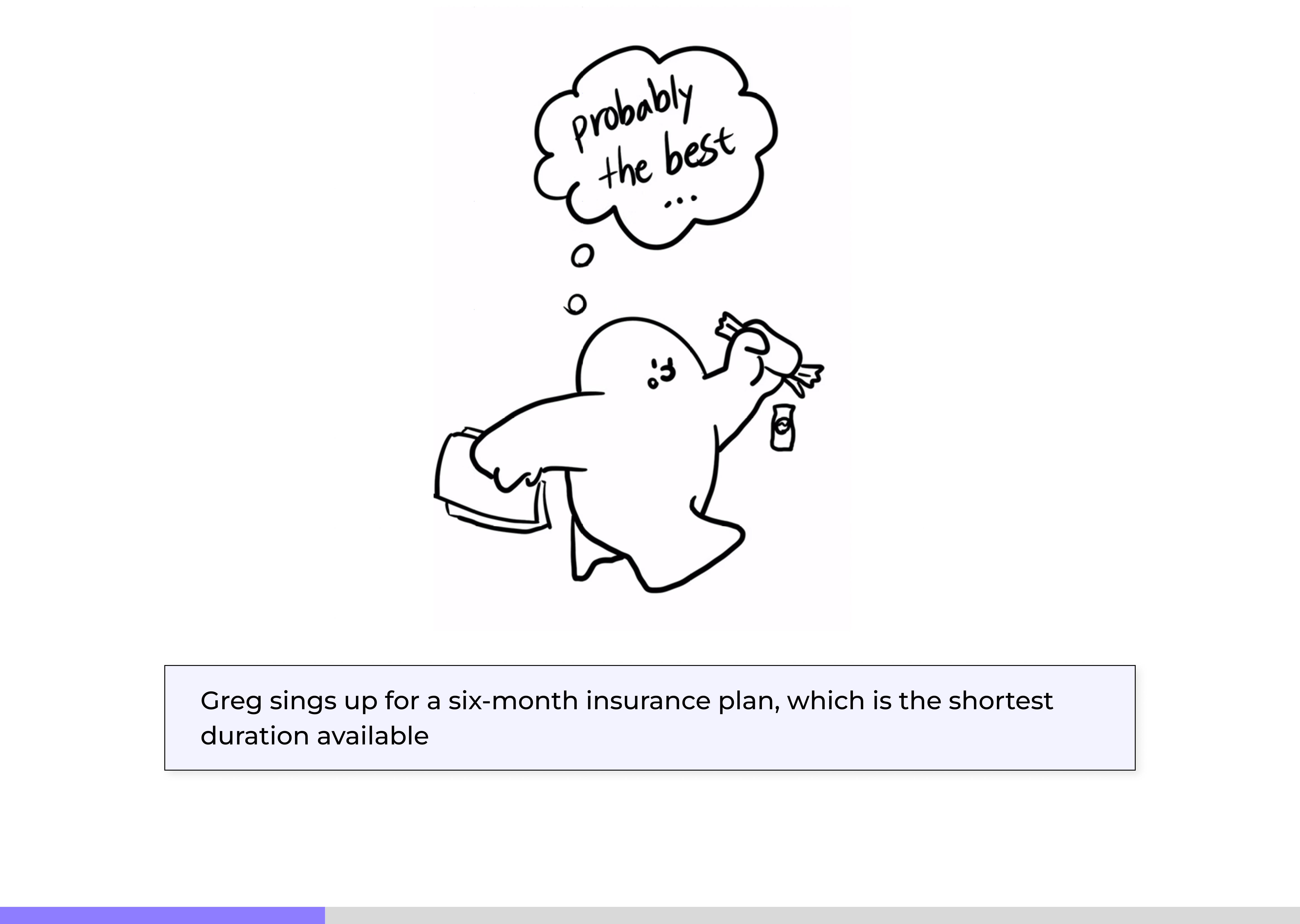
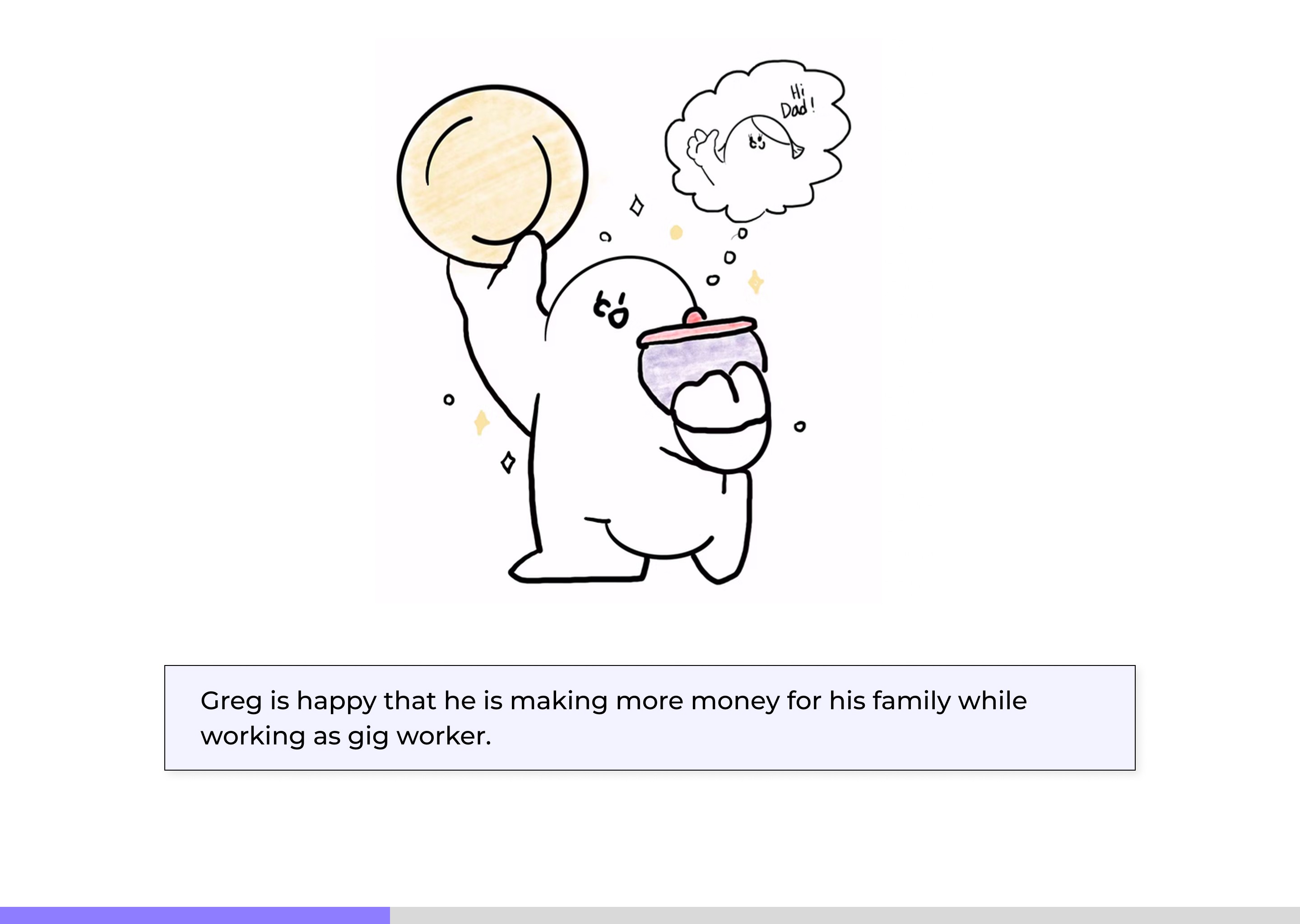
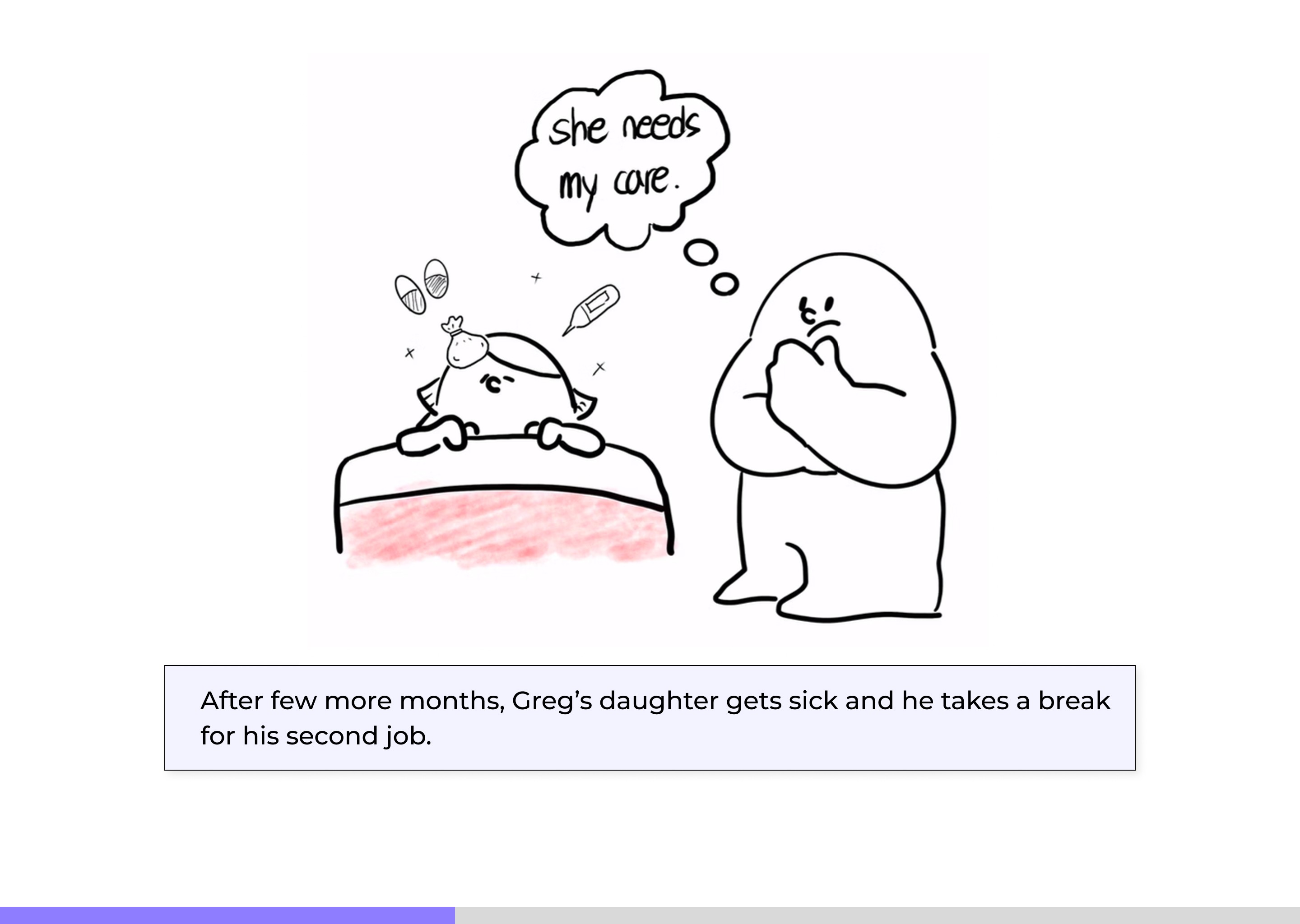
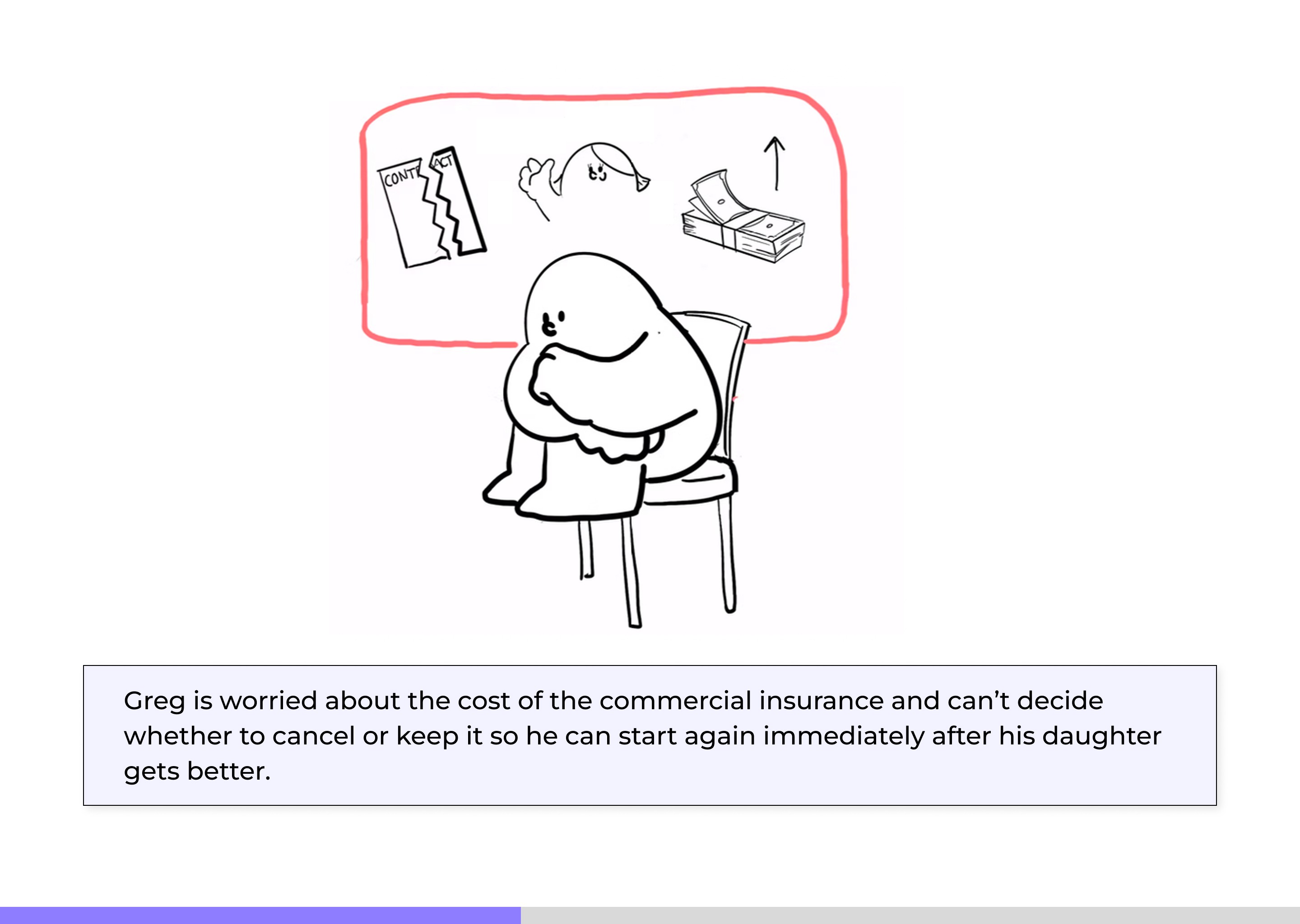
A user journey designed for fast immersion and clear understanding.

Challenge
Result
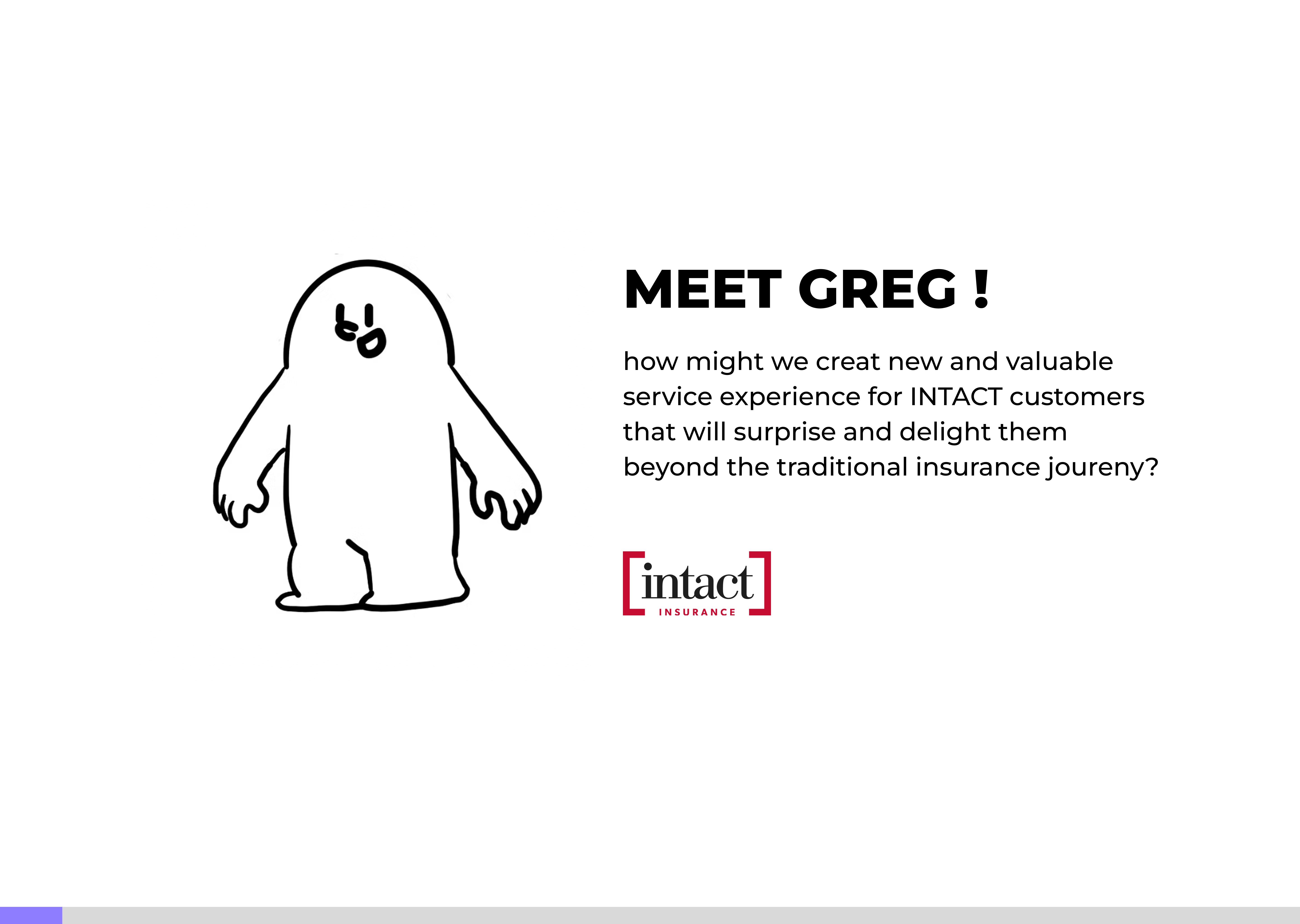
Based on Intact Insurance’s prompt, “How might we create a new and valuable service experience for Intact customers that will surprise and delight them beyond the traditional insurance journey, while increasing engagement with the brand?”.
our goal was to develop strategies that enable the brand to approach its customers in a more human-centered way.
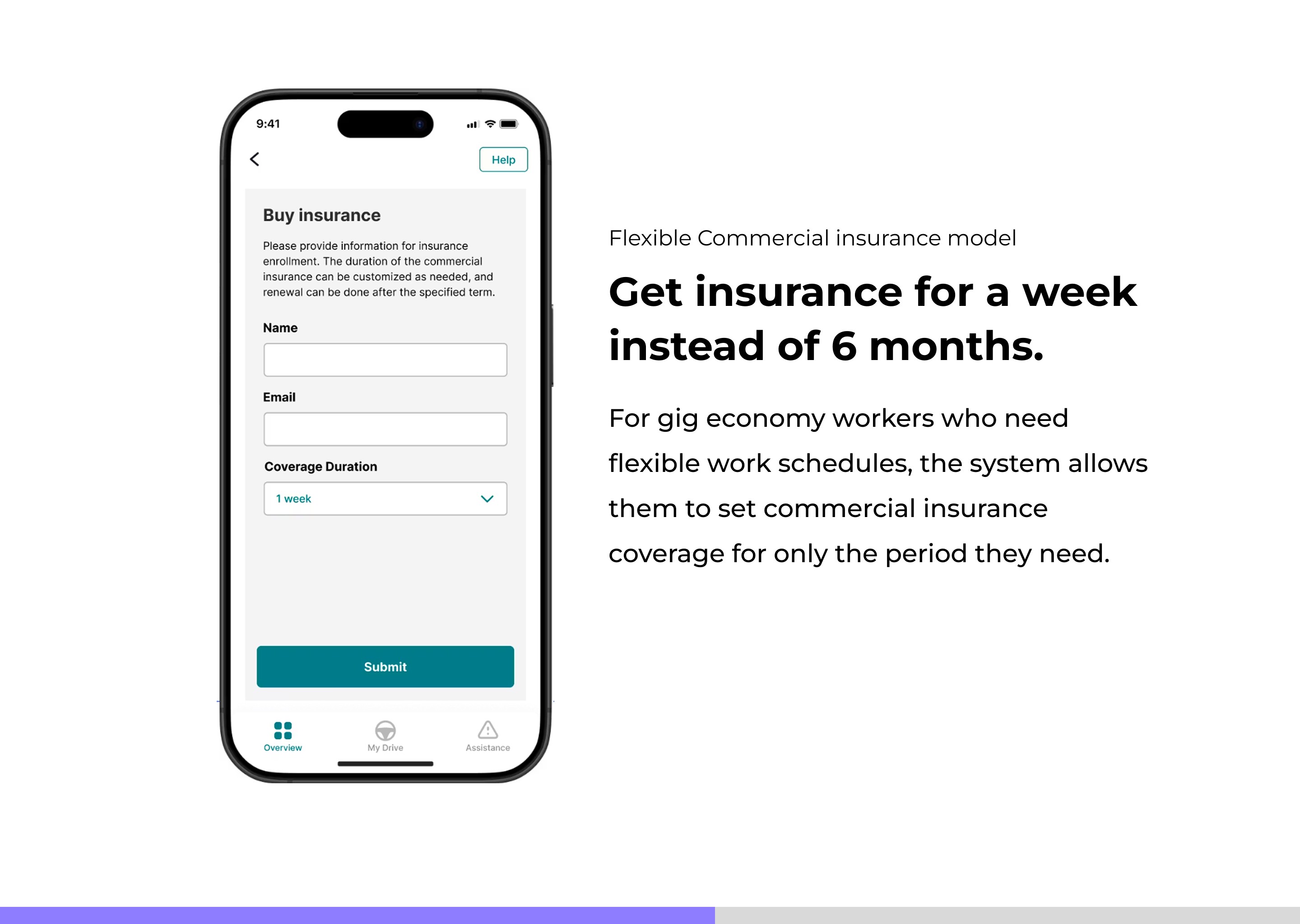
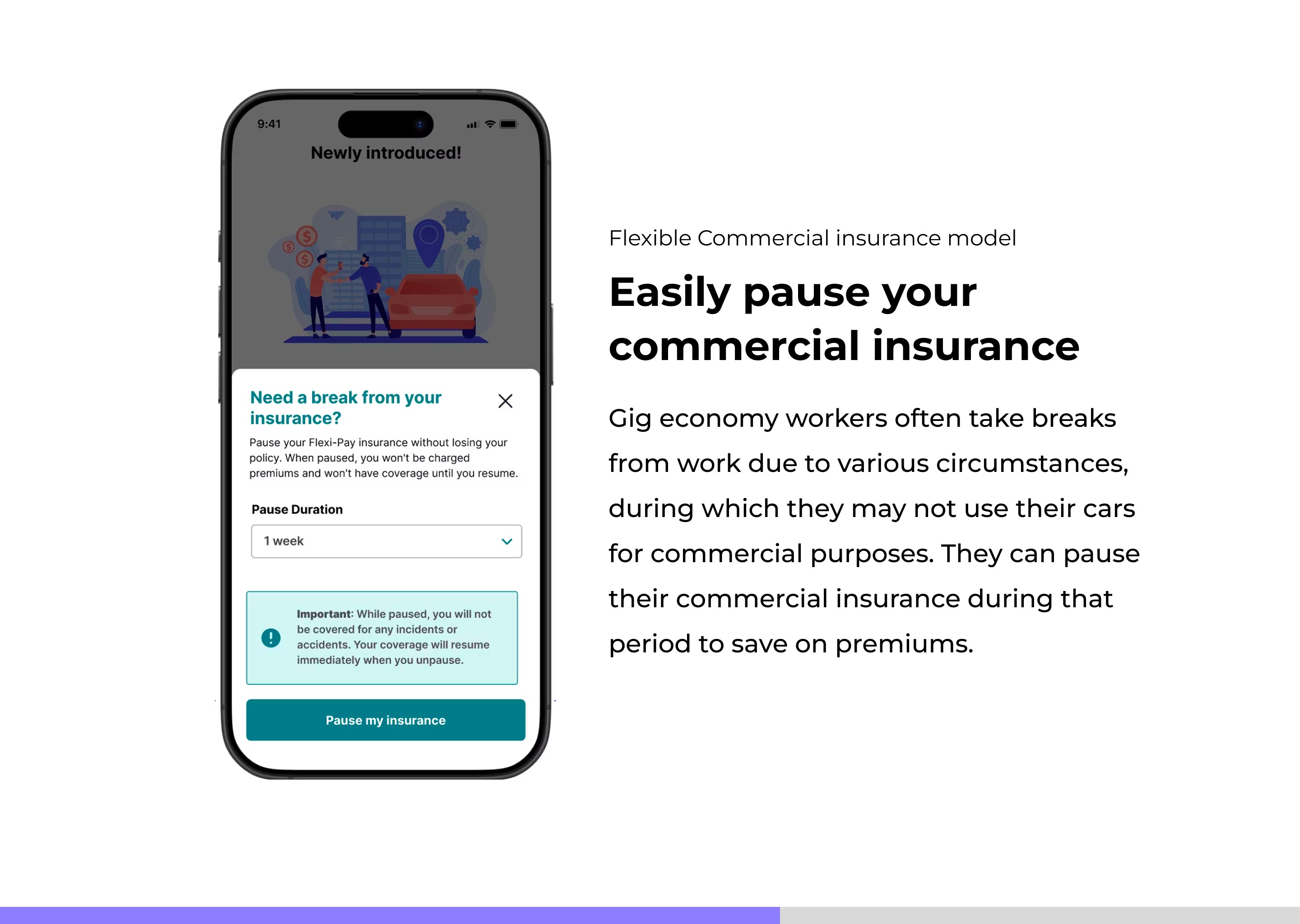
In response, we designed a new commercial vehicle insurance model tailored to the flexible nature of gig work and presented it to Intact representatives at Rotman Business School, where our project won first place among over 90 participants from 12 business schools.
Secondary research
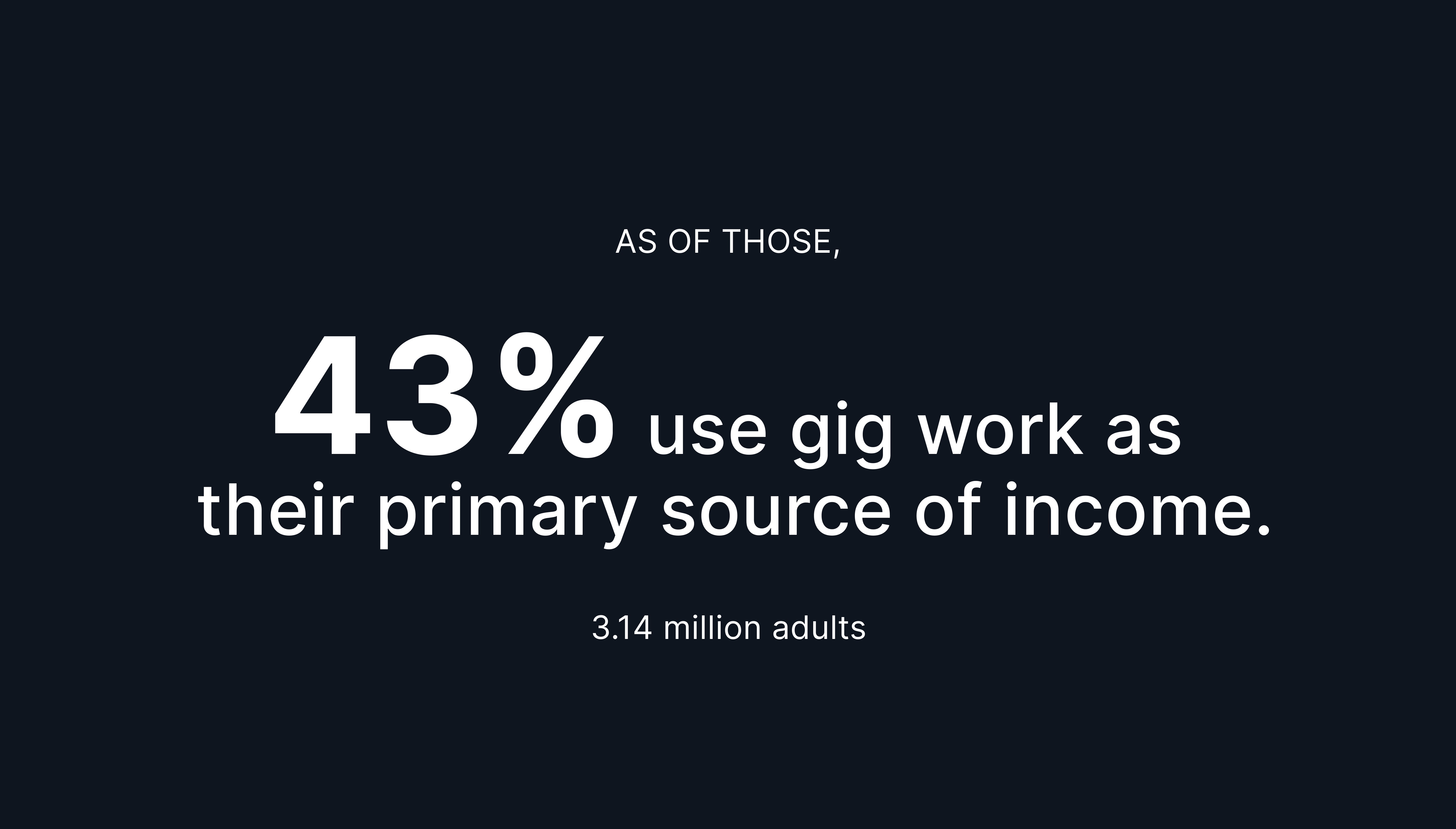
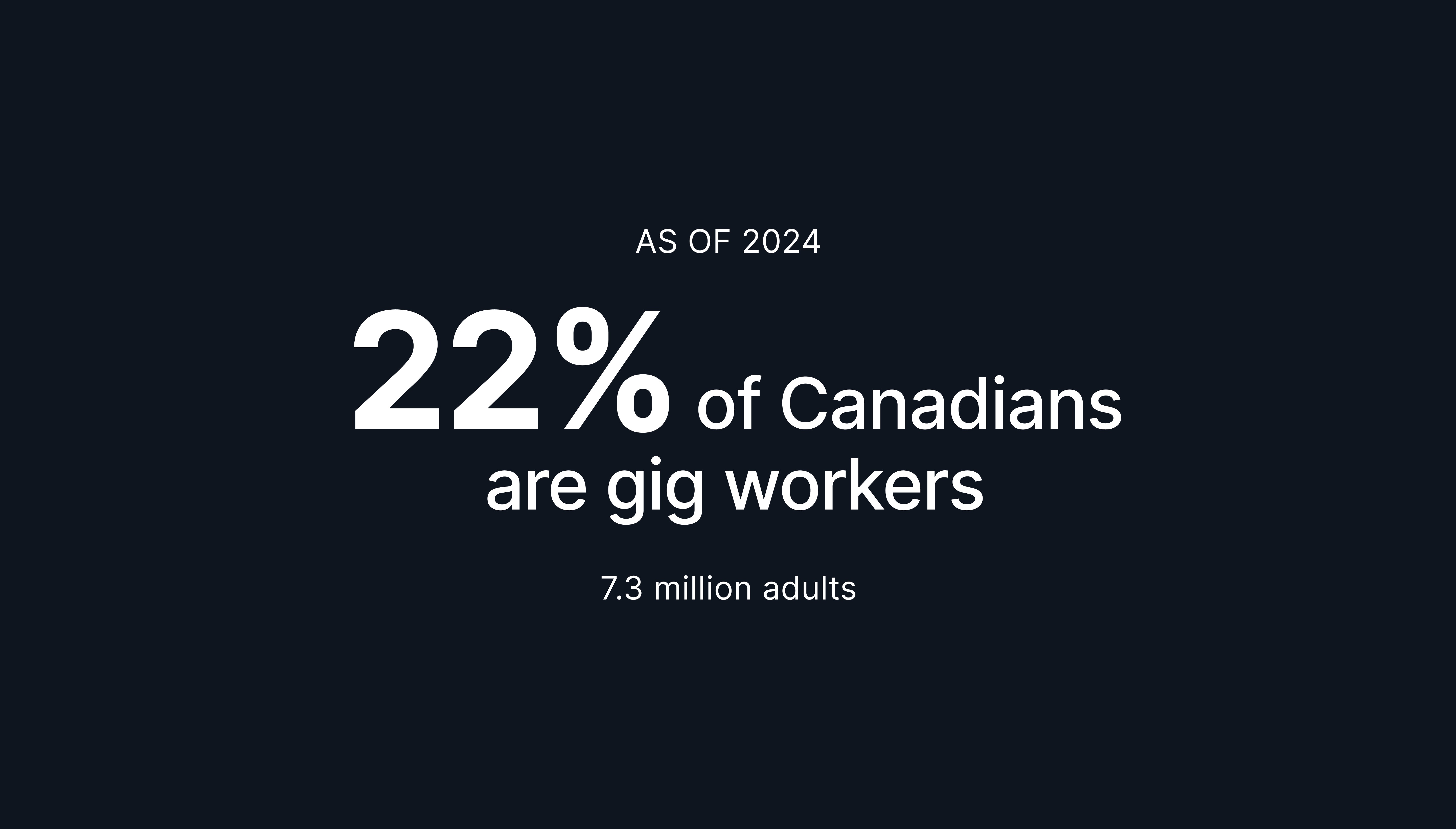
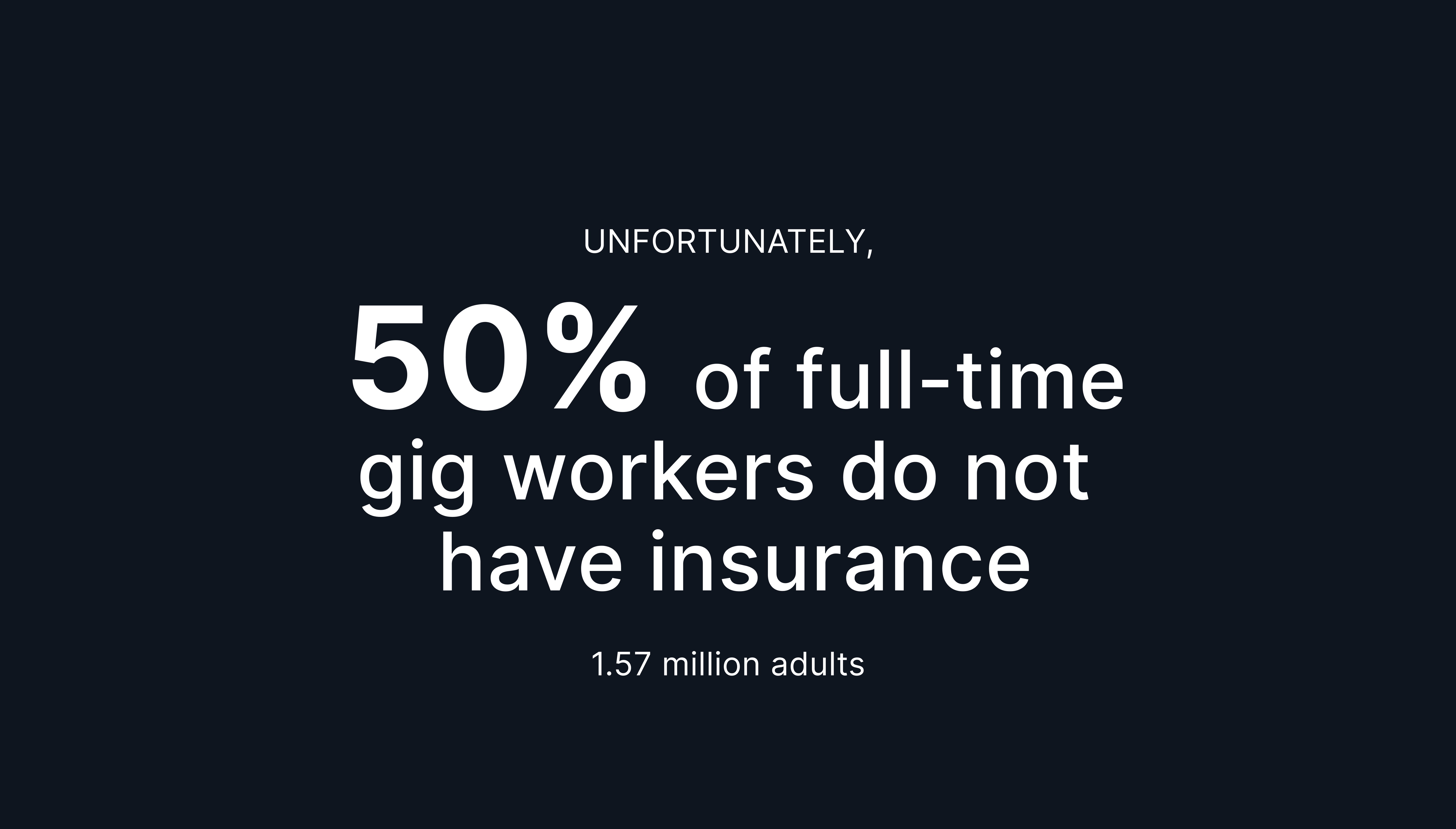
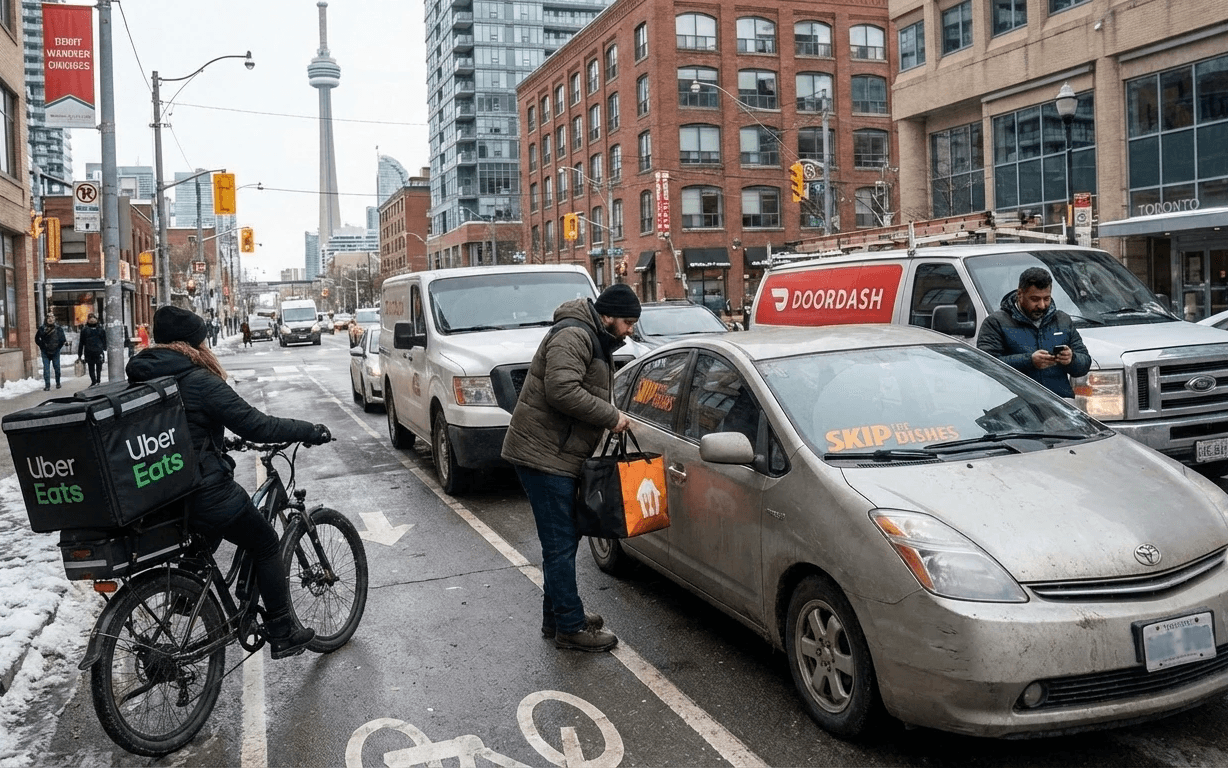
gig market in canada
Research the growth trends within the gig economy and identify specific segments (e.g., ride-sharing, delivery, freelance creatives) to determine which align best with Intact's risk appetite and existing products.

Target setting
Qualitative research
User Interview
participants
8 North American Auto Insurance Policy Holders
2 Canadian Personal Insurance Policy Holders
3 Canadian Gig workers Personal Auto Insurance & Commercial Policy Holder
Key questions
Do gig workers currently have auto insurance?
What are the main reasons gig workers do not carry insurance?
What factors influence whether they keep or switch their provider?
How do gig workers define 'satisfaction' with their insurance?
Synthesis
Research Insights
Insurance is selected by price but kept through positive experience
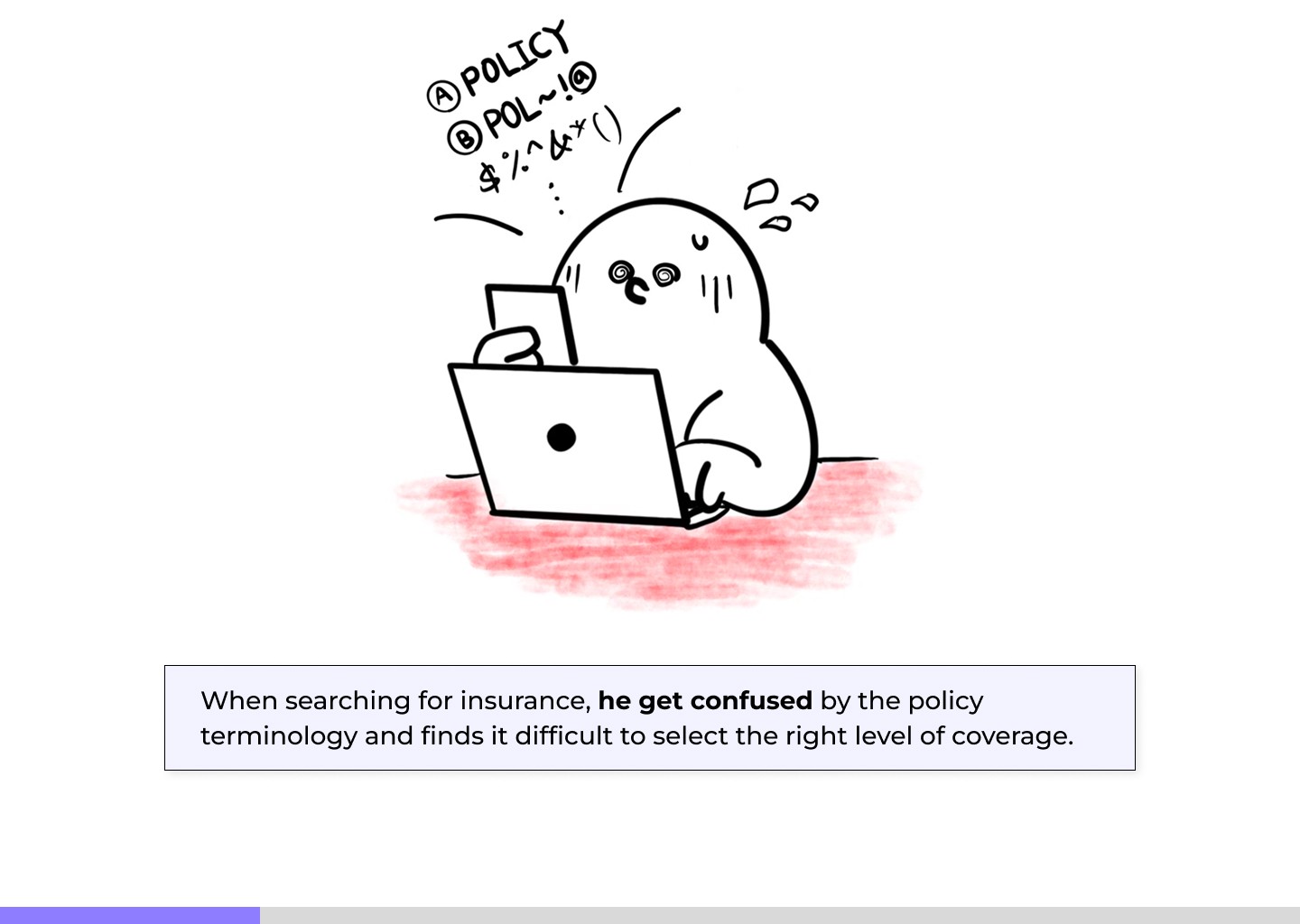
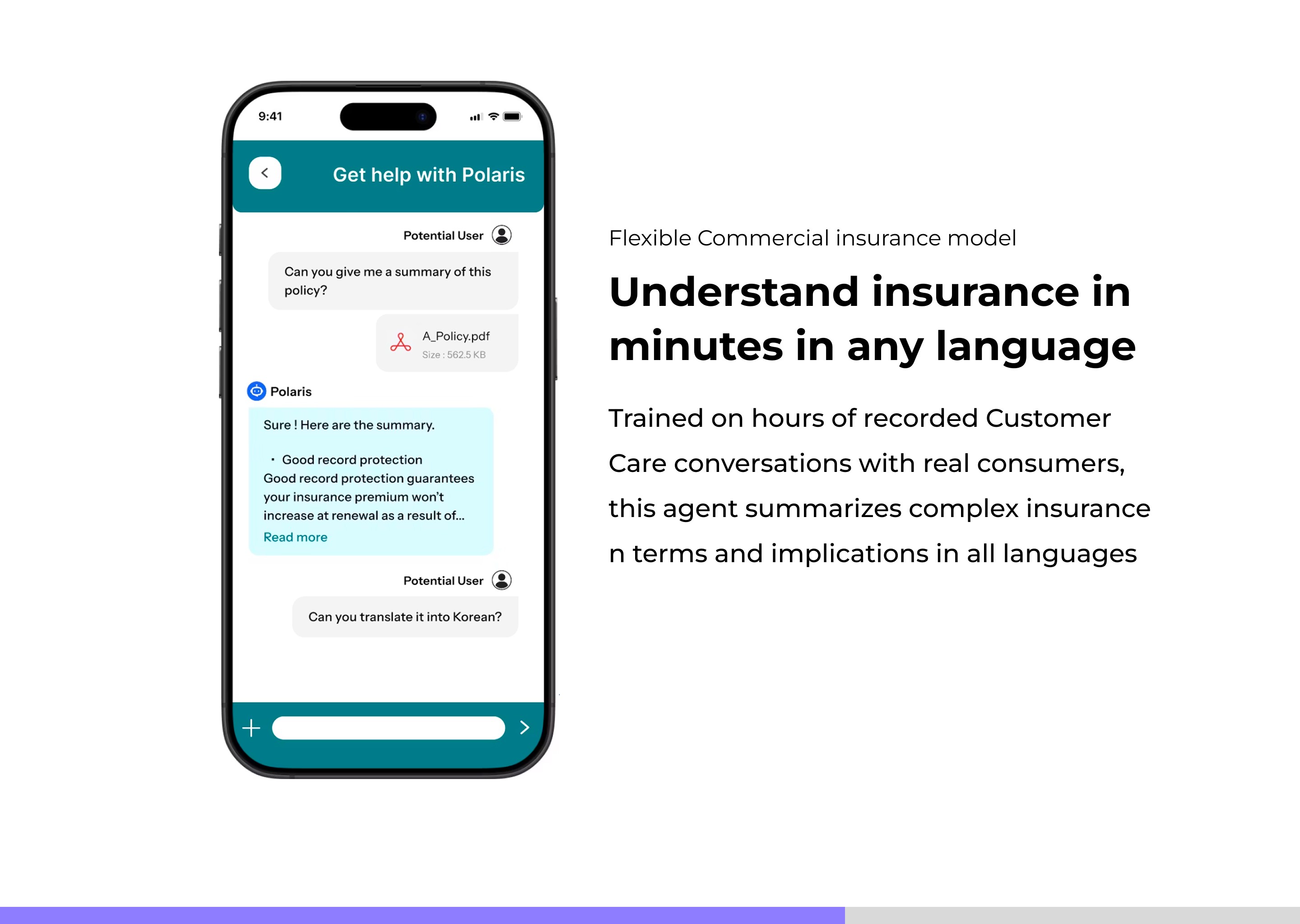
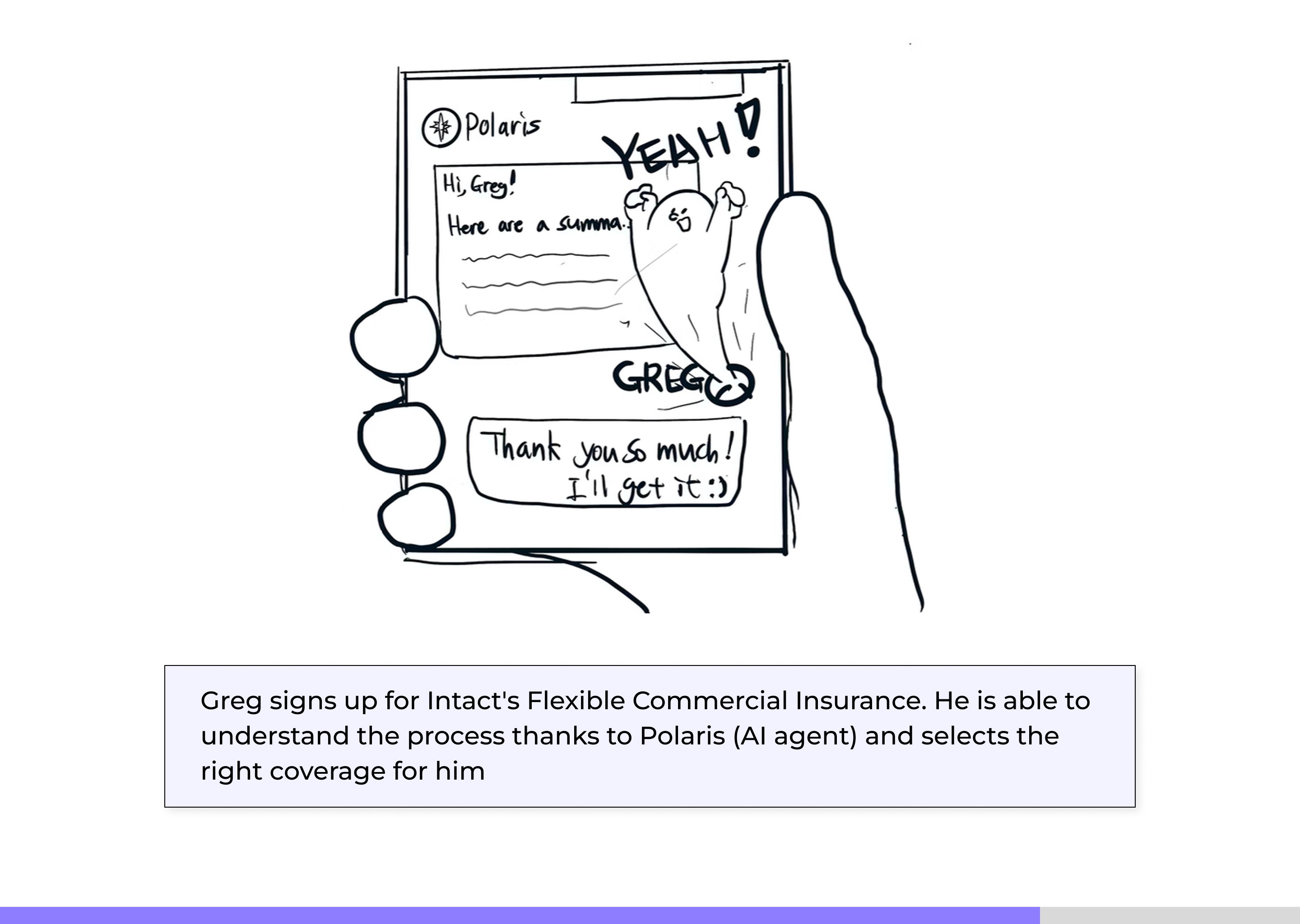
Terminology causes confusion during sign up process
Bundling insurance is preferred due to discounts and ease of use
Worried about premiums rising due to accident reporting
Would like rewards for good driving behavior
Traditional insurance does not fit the flexible needs of gig workers
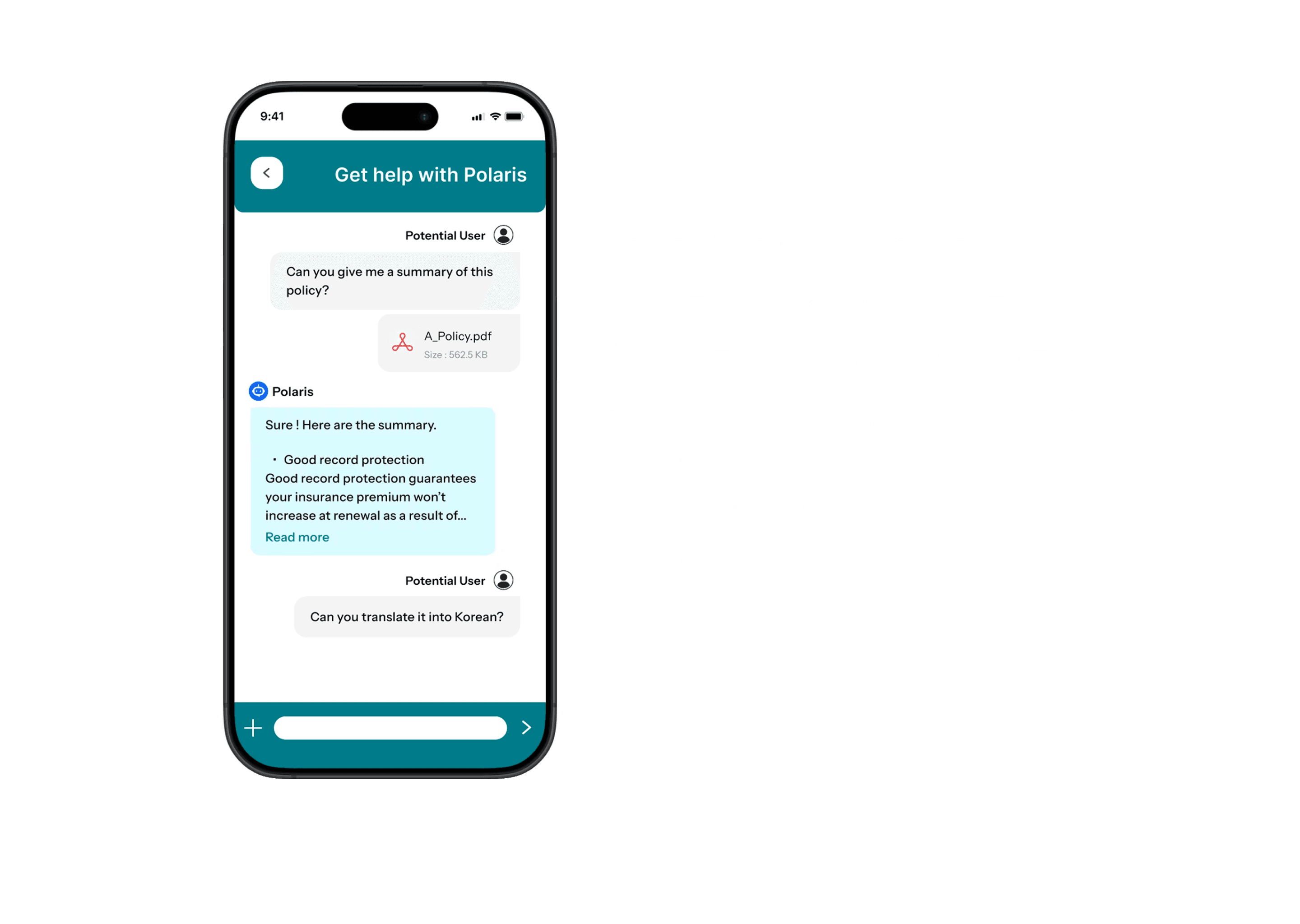
Language barriers contribute to underinsurance
Metric-based performance leads to higher accident risk
Painpoint
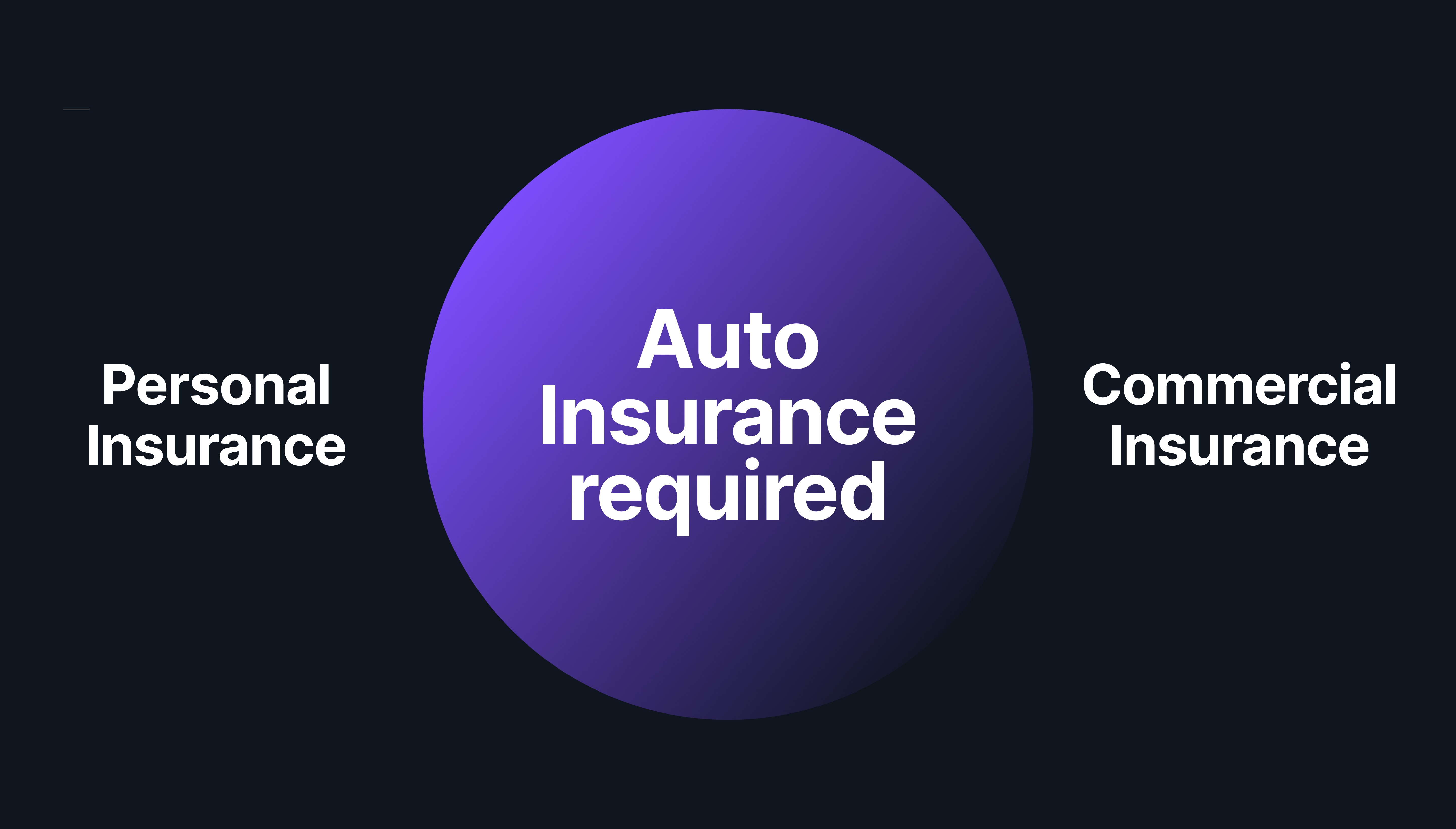
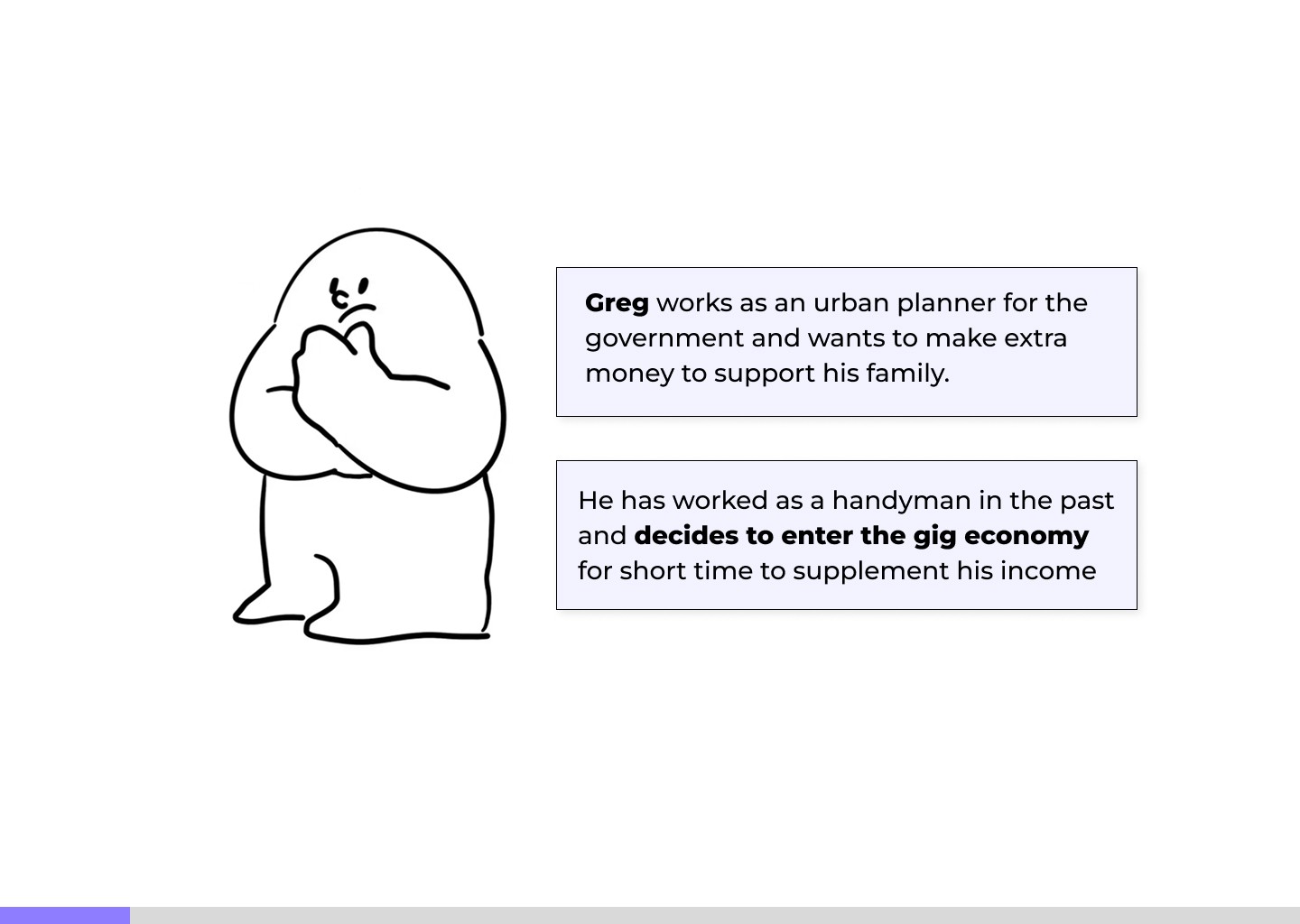
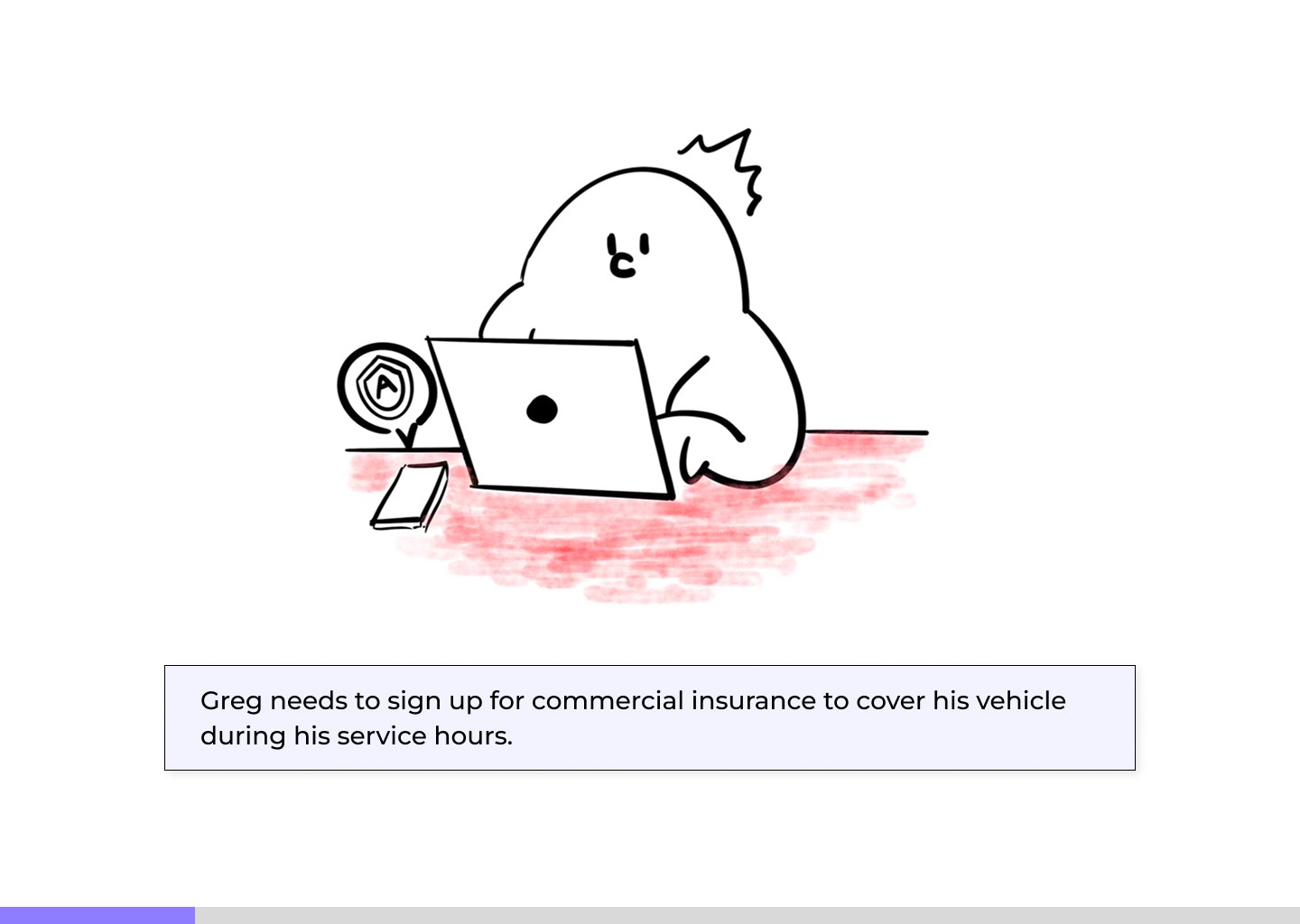
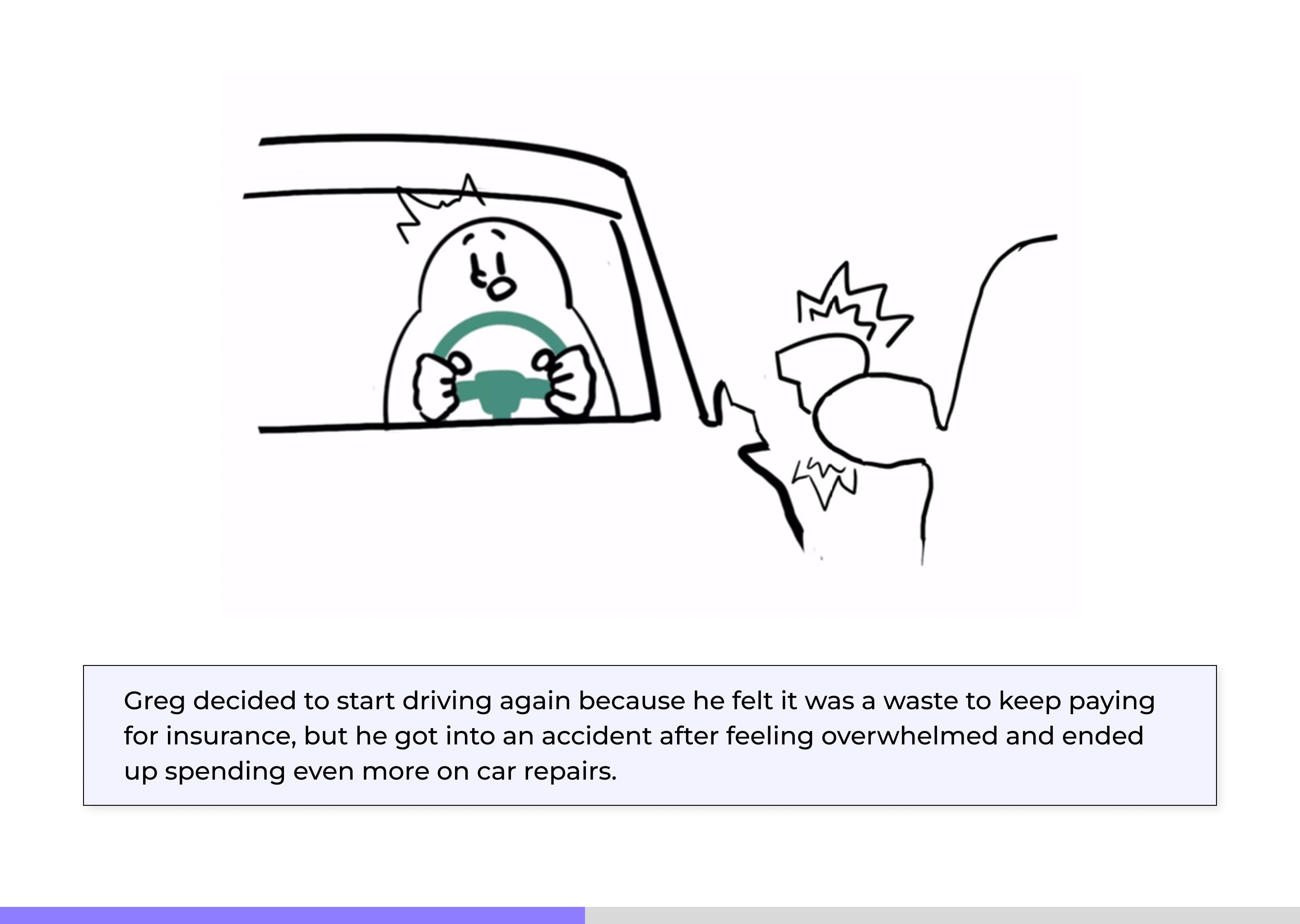
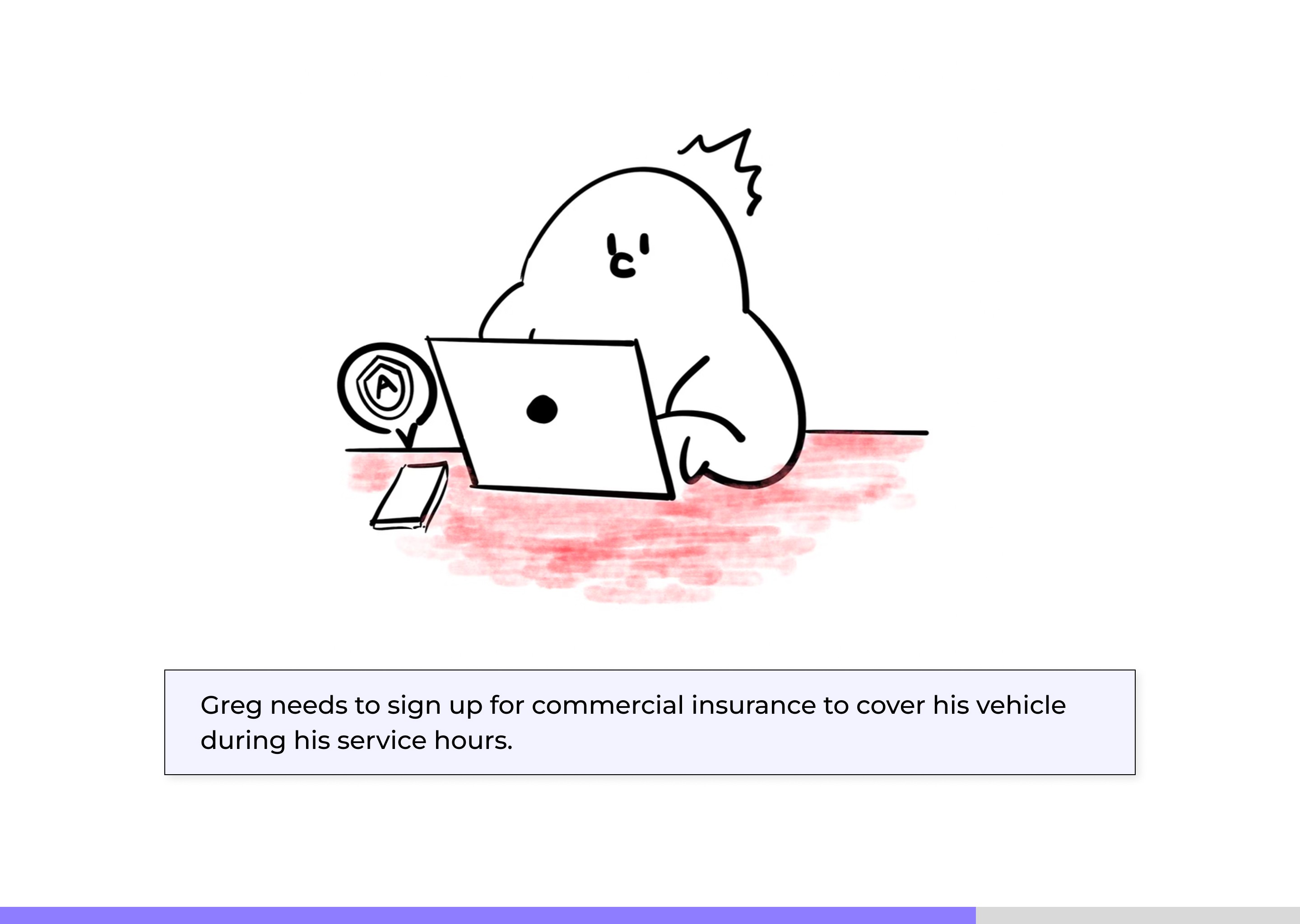
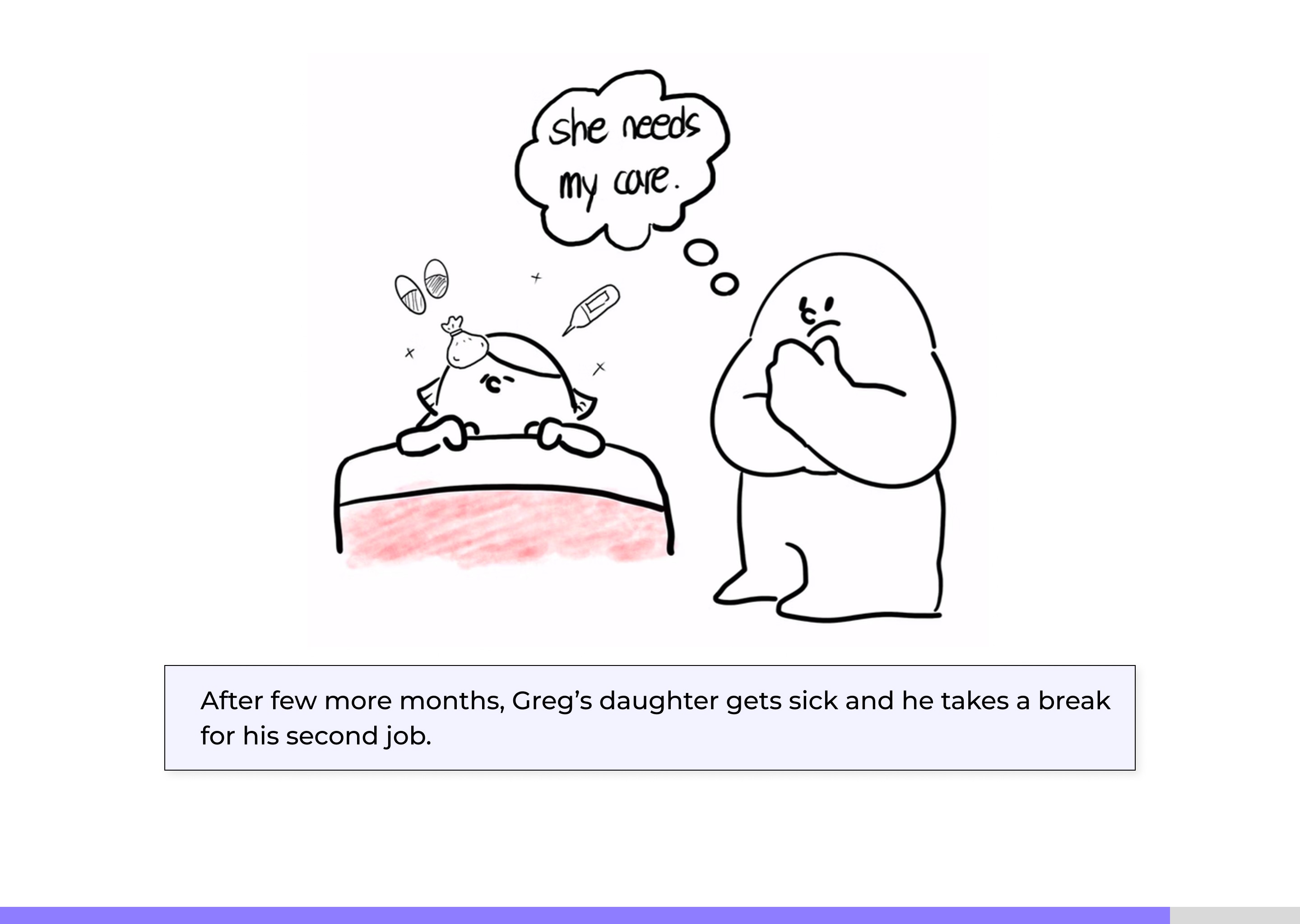
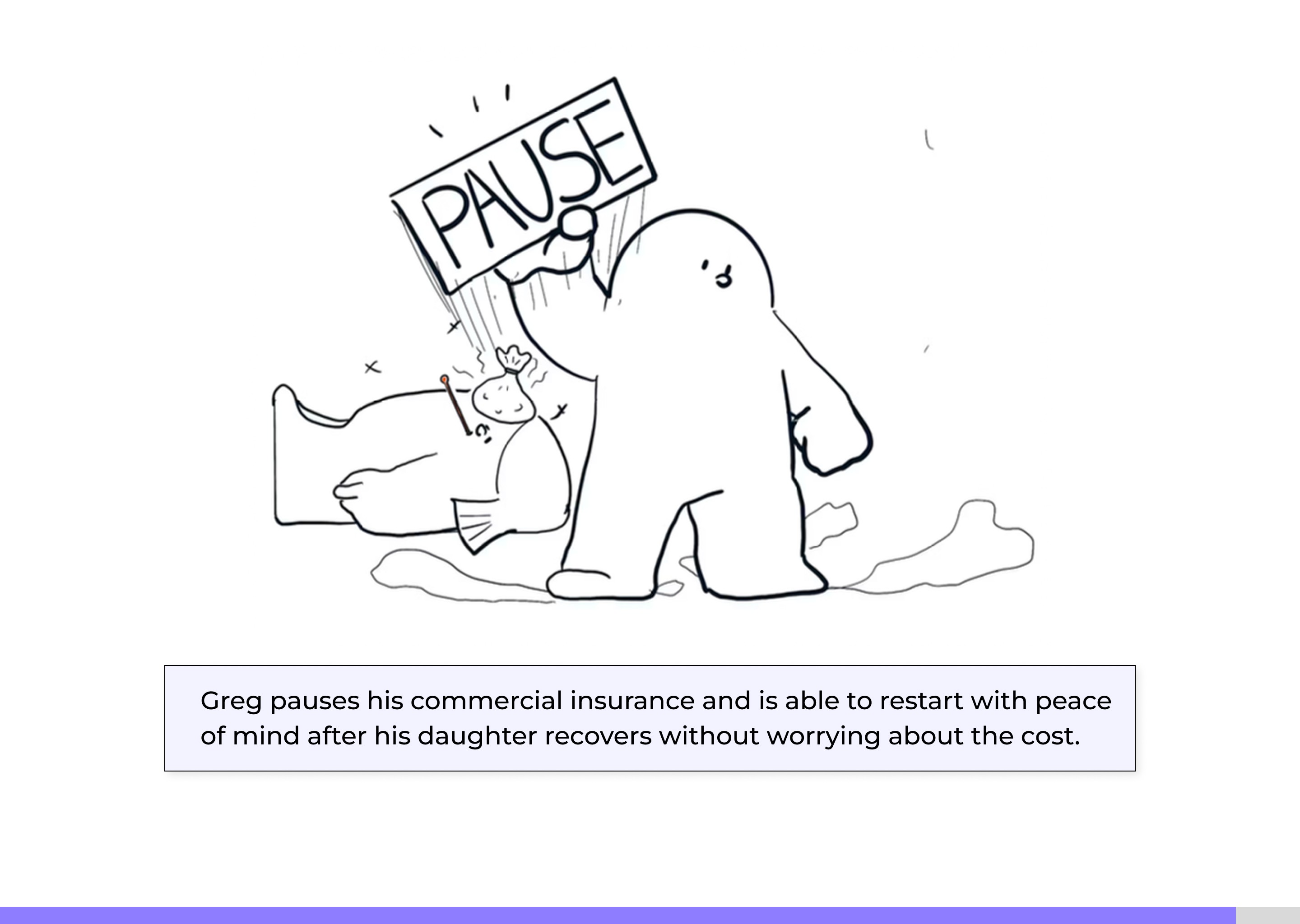
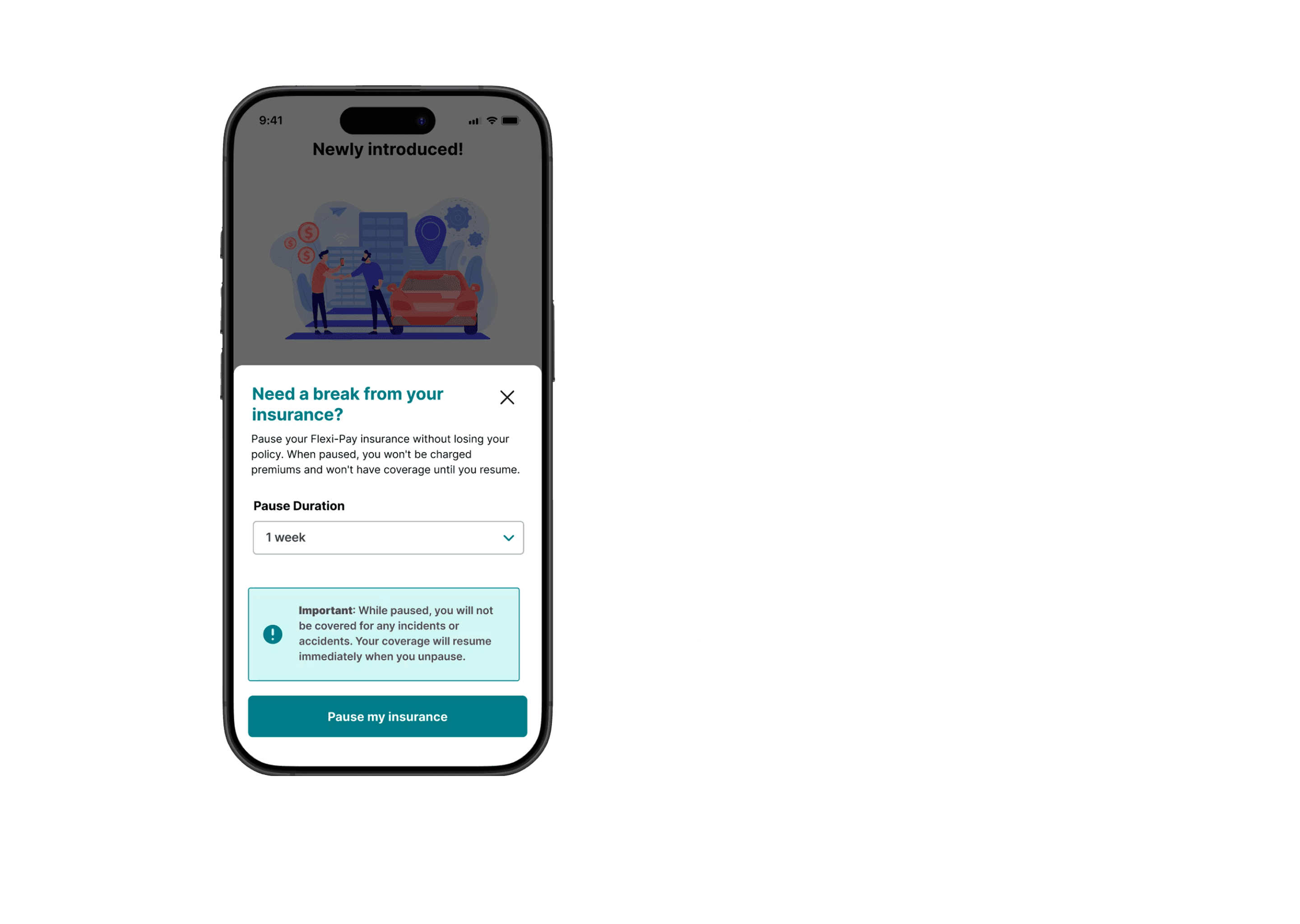
Gig economy workers who use vehicles need commercial insurance in addition to personal auto insurance to do their work. Unlike people with regular jobs, gig workers often cite the flexibility of their work as a key reason for participating in the gig economy.
Solution
human-centric
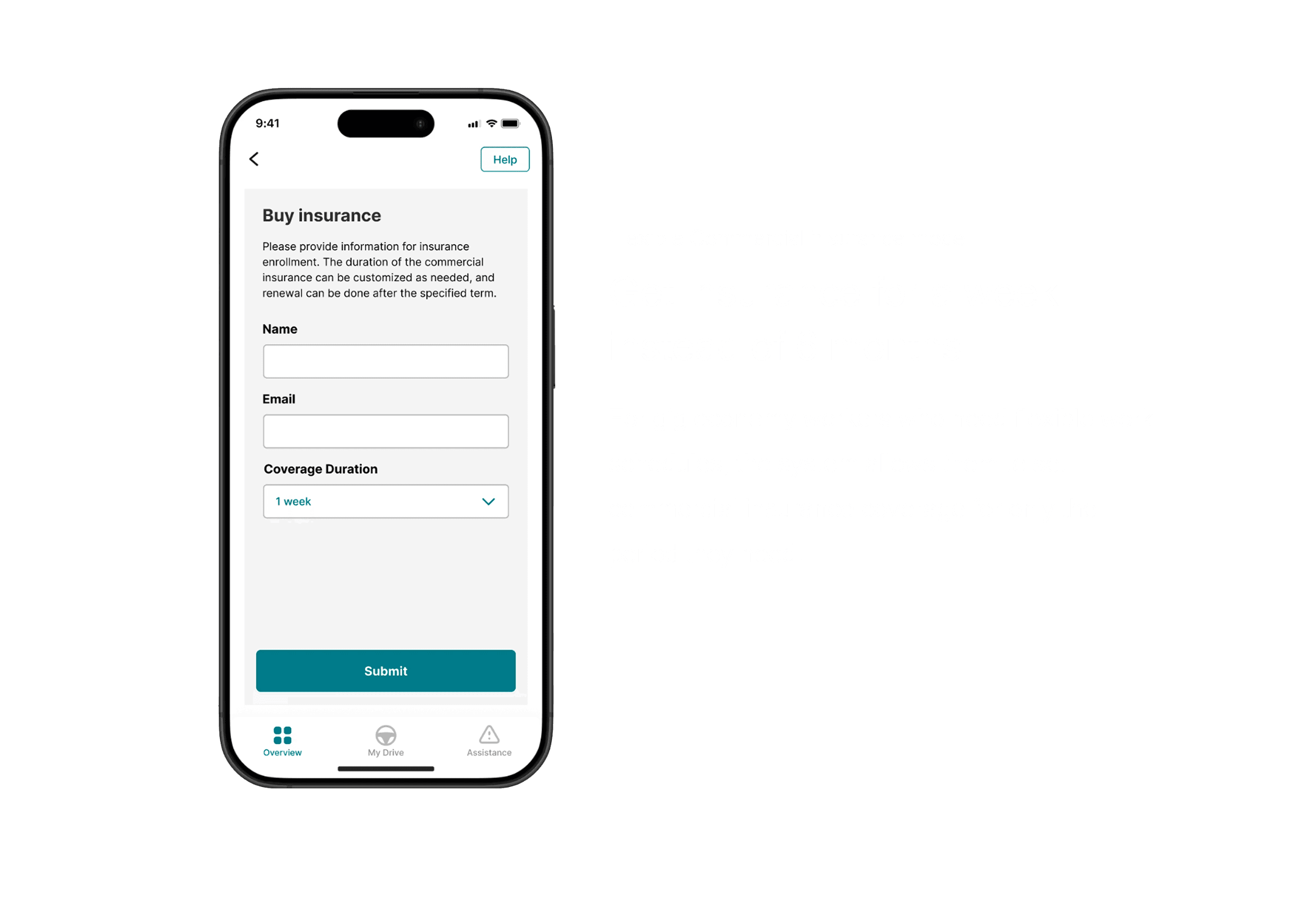
commercial insurance model
Thank you.