OPC


OPC


OPC

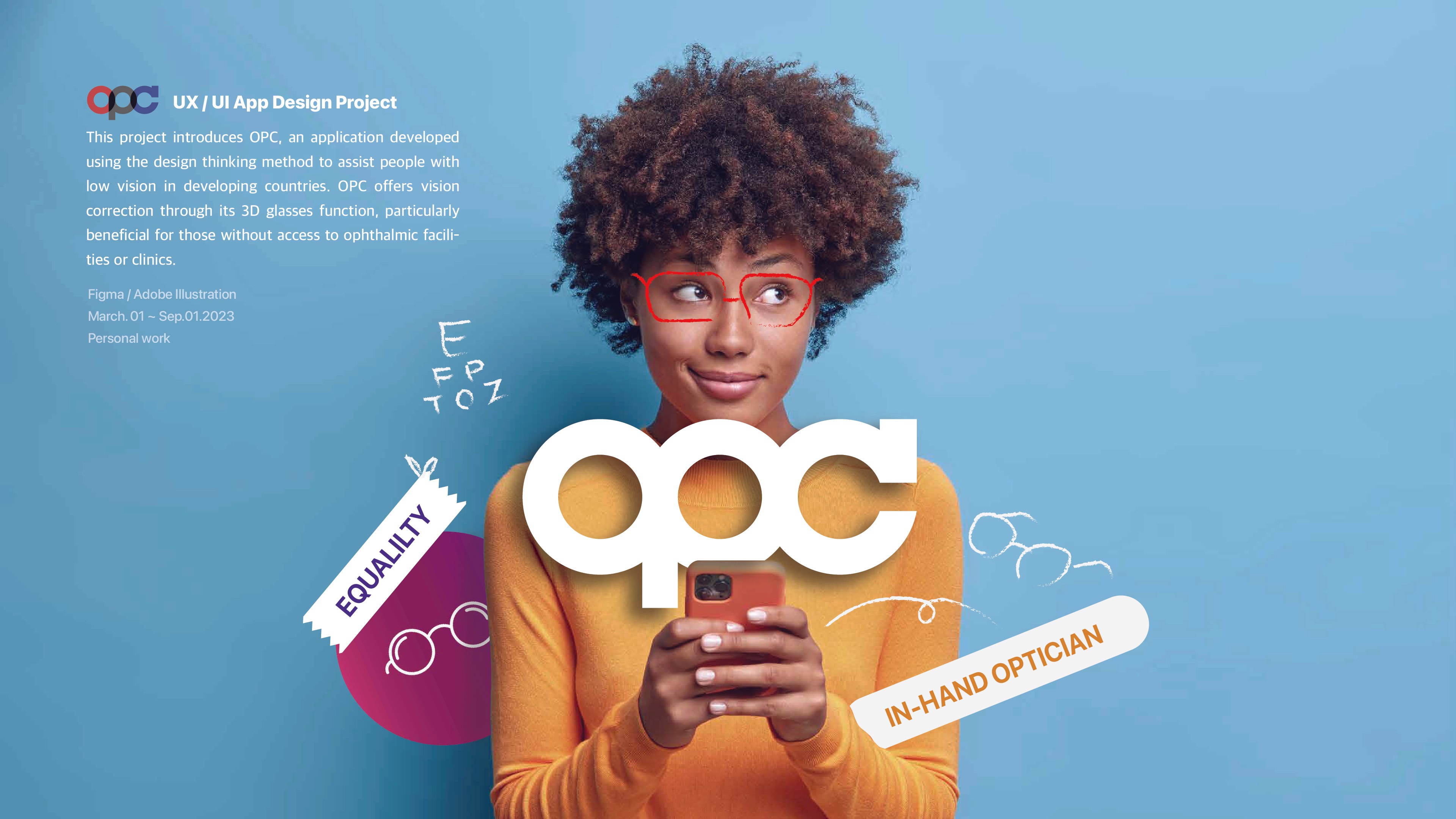
APP OPC is originated from my multiple experiences volunteering abroad. Through these activities, the serious problems I witnessed firsthand gave me a strong sense of responsibility to apply my design skills there. I sought to address the severe vision problems faced by Dalit communities in Nepal through the principle of the equitable use and distribution of technology.

Location

Location

Seoul, Korea

Umurku, Nepal

Seoul, Korea

Umurku, Nepal

Seoul, Korea

Umurku, Nepal

Date

2023

2023

2023

Type

Type

Personal work

Personal work

Personal work

Focus

Focus

Qualitative Research

UXUI Design

Qualitative Research

UXUI Design

Qualitative Research

UXUI Design

Challenge

Challenge

Challenge

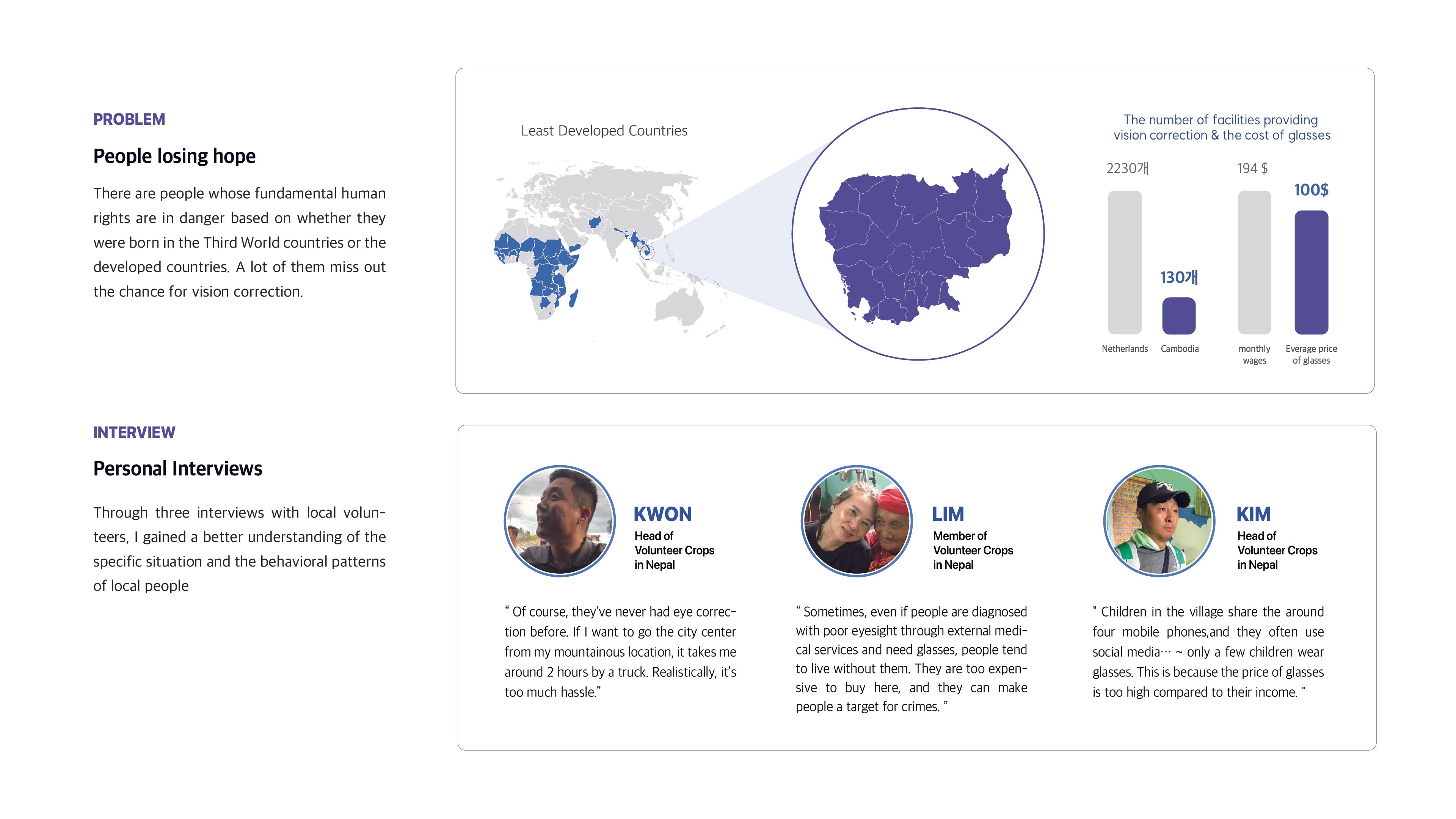
The primary challenge of the OPC project was that vision correction was not merely a medical issue, but a problem of accessibility and systemic inequality. In developing countries—particularly in non-urban areas—ophthalmic facilities are extremely limited. Even when eye examinations are available, the cost of glasses is disproportionately high compared to average monthly wages, making vision correction practically unattainable.

In addition, weak logistics and delivery infrastructure make it difficult to distribute glasses reliably. In some regions, wearing glasses can even increase the risk of crime or social stigma, meaning the problem extends beyond economics to include cultural and social barriers.

The primary challenge of the OPC project was that vision correction was not merely a medical issue, but a problem of accessibility and systemic inequality. In developing countries—particularly in non-urban areas—ophthalmic facilities are extremely limited. Even when eye examinations are available, the cost of glasses is disproportionately high compared to average monthly wages, making vision correction practically unattainable.

In addition, weak logistics and delivery infrastructure make it difficult to distribute glasses reliably. In some regions, wearing glasses can even increase the risk of crime or social stigma, meaning the problem extends beyond economics to include cultural and social barriers.

The primary challenge of the OPC project was that vision correction was not merely a medical issue, but a problem of accessibility and systemic inequality. In developing countries—particularly in non-urban areas—ophthalmic facilities are extremely limited. Even when eye examinations are available, the cost of glasses is disproportionately high compared to average monthly wages, making vision correction practically unattainable.

In addition, weak logistics and delivery infrastructure make it difficult to distribute glasses reliably. In some regions, wearing glasses can even increase the risk of crime or social stigma, meaning the problem extends beyond economics to include cultural and social barriers.

Results

Results

Results

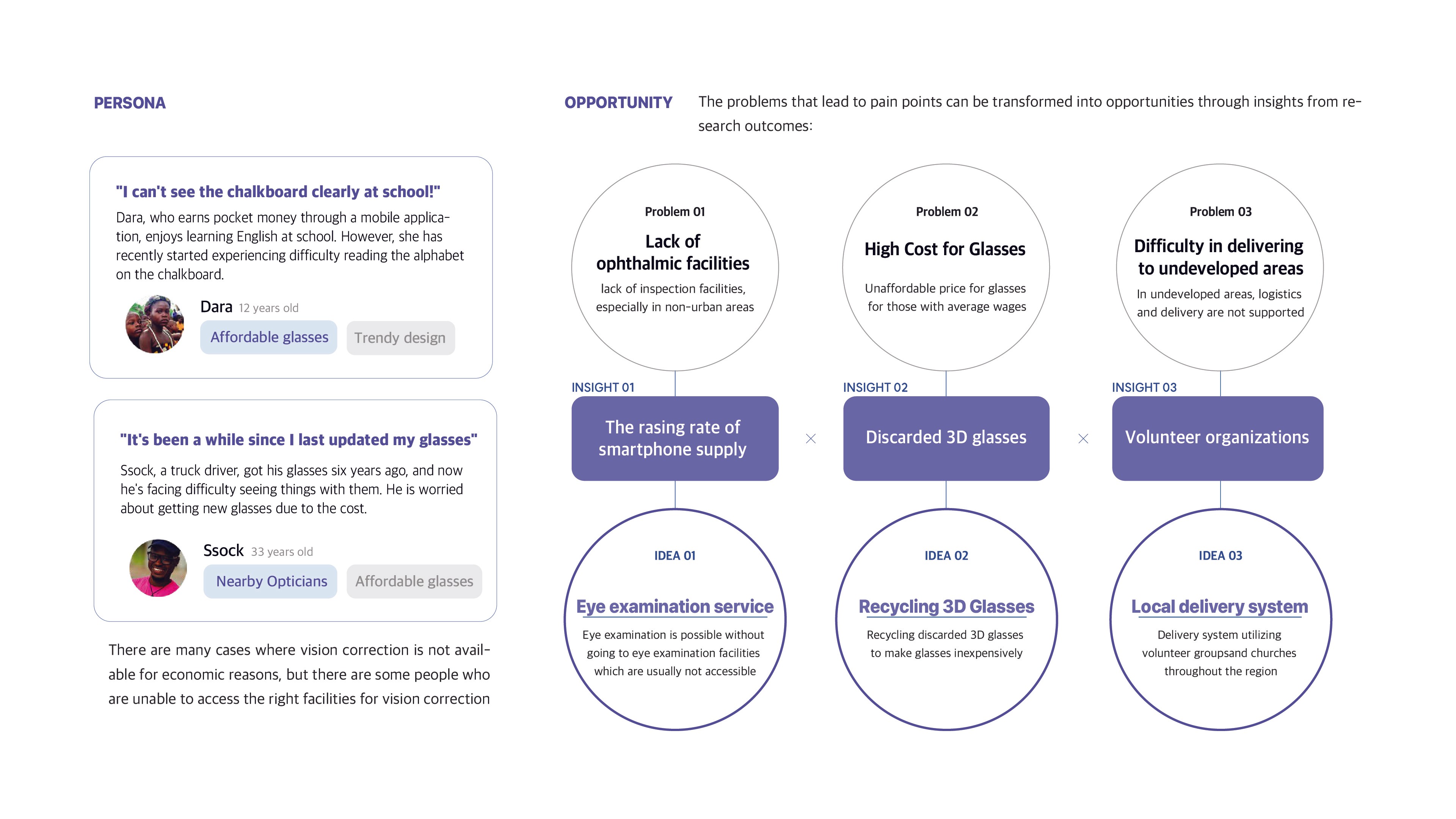
To address these challenges, OPC adopted a design thinking–driven, systems-level approach, redefining vision correction from a facility-centered service into an “In-hand Optician.” The mobile application enables users to conduct vision tests without visiting an ophthalmic clinic, while recycled 3D glasses are repurposed into affordable vision-correction eyewear, significantly reducing cost barriers.

In addition, OPC proposes a distribution model that leverages local volunteer organizations and church networks, allowing glasses to reach end users even in contexts with underdeveloped logistics infrastructure. As a result, OPC reframes vision correction not as a privileged medical service, but as a universally accessible technological right, translating the project’s core goal of equitable use and distribution of technology into a concrete service design outcome.

To address these challenges, OPC adopted a design thinking–driven, systems-level approach, redefining vision correction from a facility-centered service into an “In-hand Optician.” The mobile application enables users to conduct vision tests without visiting an ophthalmic clinic, while recycled 3D glasses are repurposed into affordable vision-correction eyewear, significantly reducing cost barriers.

In addition, OPC proposes a distribution model that leverages local volunteer organizations and church networks, allowing glasses to reach end users even in contexts with underdeveloped logistics infrastructure. As a result, OPC reframes vision correction not as a privileged medical service, but as a universally accessible technological right, translating the project’s core goal of equitable use and distribution of technology into a concrete service design outcome.

To address these challenges, OPC adopted a design thinking–driven, systems-level approach, redefining vision correction from a facility-centered service into an “In-hand Optician.” The mobile application enables users to conduct vision tests without visiting an ophthalmic clinic, while recycled 3D glasses are repurposed into affordable vision-correction eyewear, significantly reducing cost barriers.

In addition, OPC proposes a distribution model that leverages local volunteer organizations and church networks, allowing glasses to reach end users even in contexts with underdeveloped logistics infrastructure. As a result, OPC reframes vision correction not as a privileged medical service, but as a universally accessible technological right, translating the project’s core goal of equitable use and distribution of technology into a concrete service design outcome.

Problems

Problems

Problems

In addition to directly observing the situation in Nepal, I conducted interviews with volunteer leaders who had spent extended periods working with the Dalit communities. The interviews revealed that the problem addressed by this project is not merely poor vision, but rather the structural exclusion from access to vision correction. Several specific issues were identified:


In addition to directly observing the situation in Nepal, I conducted interviews with volunteer leaders who had spent extended periods working with the Dalit communities. The interviews revealed that the problem addressed by this project is not merely poor vision, but rather the structural exclusion from access to vision correction. Several specific issues were identified:


In addition to directly observing the situation in Nepal, I conducted interviews with volunteer leaders who had spent extended periods working with the Dalit communities. The interviews revealed that the problem addressed by this project is not merely poor vision, but rather the structural exclusion from access to vision correction. Several specific issues were identified:


  1. Physical accessibility

In non-urban and mountainous areas of Nepal and Cambodia, ophthalmic clinics and eyeglass shops are concentrated in city centers. Receiving an eye exam often requires several hours of travel each way. According to the interviews, traveling more than two hours by truck is common, which often means sacrificing work hours essential for one’s livelihood.


  1. Economic Barrier

Interviewees repeatedly emphasized that the cost of glasses is disproportionately high relative to average monthly income. While glasses cost around $100, monthly wages in many of these regions fall far below this level. Consequently, even when individuals are aware of their vision problems, many continue to live with discomfort rather than purchase corrective glasses.


  1. Social and cultural factors

In some regions, glasses are perceived as expensive possessions, making wearers potential targets for crime, and only a few children wear glasses, which can create additional social stigma. One interviewee noted, “They don’t even consider poor eyesight as a problem,” highlighting a negative cultural phenomenon shaped by the lack of technology and support.


  1. Psychological frustration and loss of hope

Poor eyesight directly affects education, labor, and daily life, but the lack of accessible solutions leads to feelings of helplessness. Across the interviews, vision issues emerged not only as personal inconvenience but as a factor limiting access to educational opportunities and economic participation.

  1. Physical accessibility

In non-urban and mountainous areas of Nepal and Cambodia, ophthalmic clinics and eyeglass shops are concentrated in city centers. Receiving an eye exam often requires several hours of travel each way. According to the interviews, traveling more than two hours by truck is common, which often means sacrificing work hours essential for one’s livelihood.


  1. Economic Barrier

Interviewees repeatedly emphasized that the cost of glasses is disproportionately high relative to average monthly income. While glasses cost around $100, monthly wages in many of these regions fall far below this level. Consequently, even when individuals are aware of their vision problems, many continue to live with discomfort rather than purchase corrective glasses.


  1. Social and cultural factors

In some regions, glasses are perceived as expensive possessions, making wearers potential targets for crime, and only a few children wear glasses, which can create additional social stigma. One interviewee noted, “They don’t even consider poor eyesight as a problem,” highlighting a negative cultural phenomenon shaped by the lack of technology and support.


  1. Psychological frustration and loss of hope

Poor eyesight directly affects education, labor, and daily life, but the lack of accessible solutions leads to feelings of helplessness. Across the interviews, vision issues emerged not only as personal inconvenience but as a factor limiting access to educational opportunities and economic participation.

  1. Physical accessibility

In non-urban and mountainous areas of Nepal and Cambodia, ophthalmic clinics and eyeglass shops are concentrated in city centers. Receiving an eye exam often requires several hours of travel each way. According to the interviews, traveling more than two hours by truck is common, which often means sacrificing work hours essential for one’s livelihood.


  1. Economic Barrier

Interviewees repeatedly emphasized that the cost of glasses is disproportionately high relative to average monthly income. While glasses cost around $100, monthly wages in many of these regions fall far below this level. Consequently, even when individuals are aware of their vision problems, many continue to live with discomfort rather than purchase corrective glasses.


  1. Social and cultural factors

In some regions, glasses are perceived as expensive possessions, making wearers potential targets for crime, and only a few children wear glasses, which can create additional social stigma. One interviewee noted, “They don’t even consider poor eyesight as a problem,” highlighting a negative cultural phenomenon shaped by the lack of technology and support.


  1. Psychological frustration and loss of hope

Poor eyesight directly affects education, labor, and daily life, but the lack of accessible solutions leads to feelings of helplessness. Across the interviews, vision issues emerged not only as personal inconvenience but as a factor limiting access to educational opportunities and economic participation.

From Facility-Centered Eye Care,
to Accessible Eye Care App

From Facility-Centered Eye Care,
to Accessible Eye Care App

From Facility-Centered Eye Care,
to Accessible Eye Care App

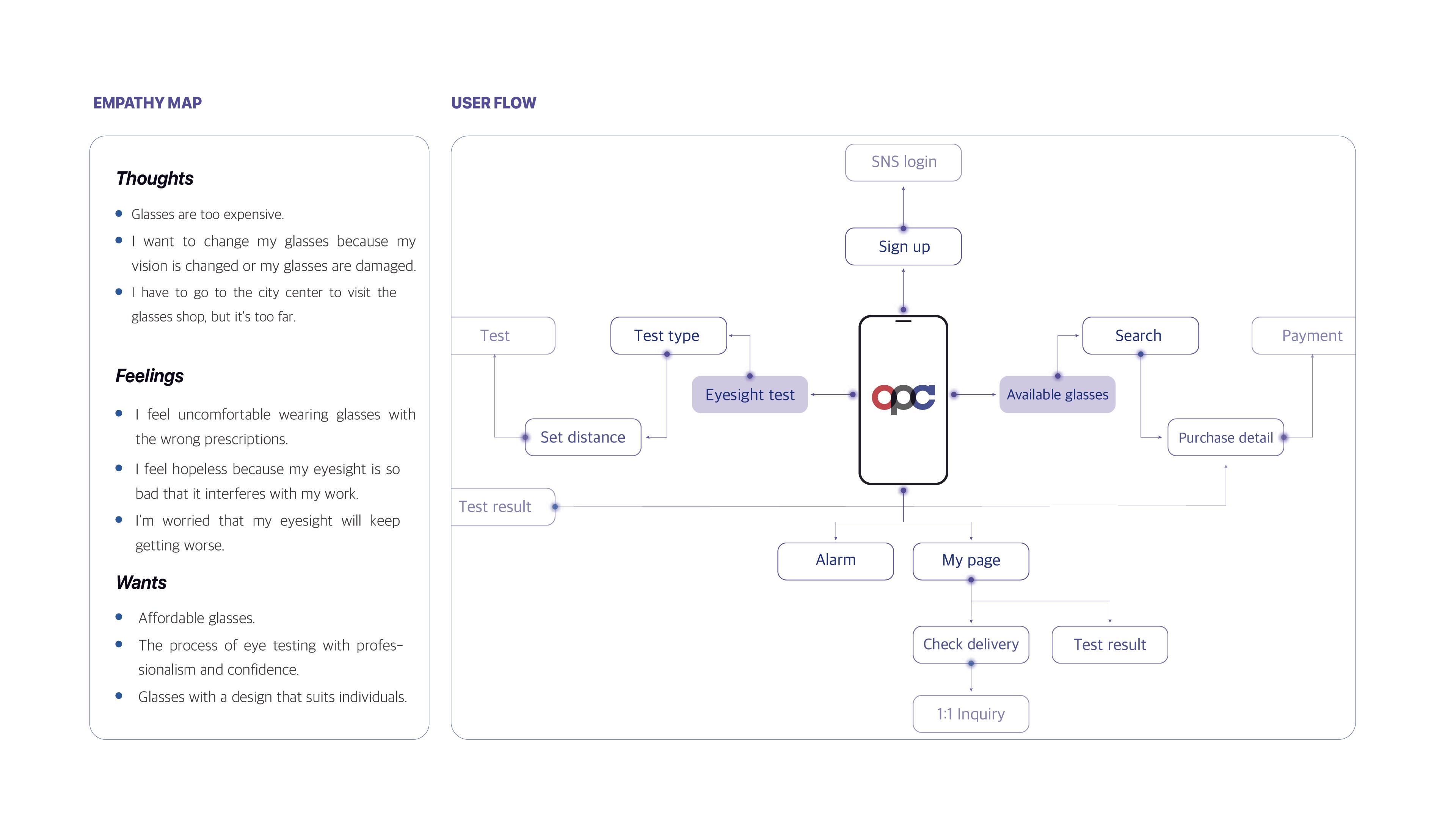
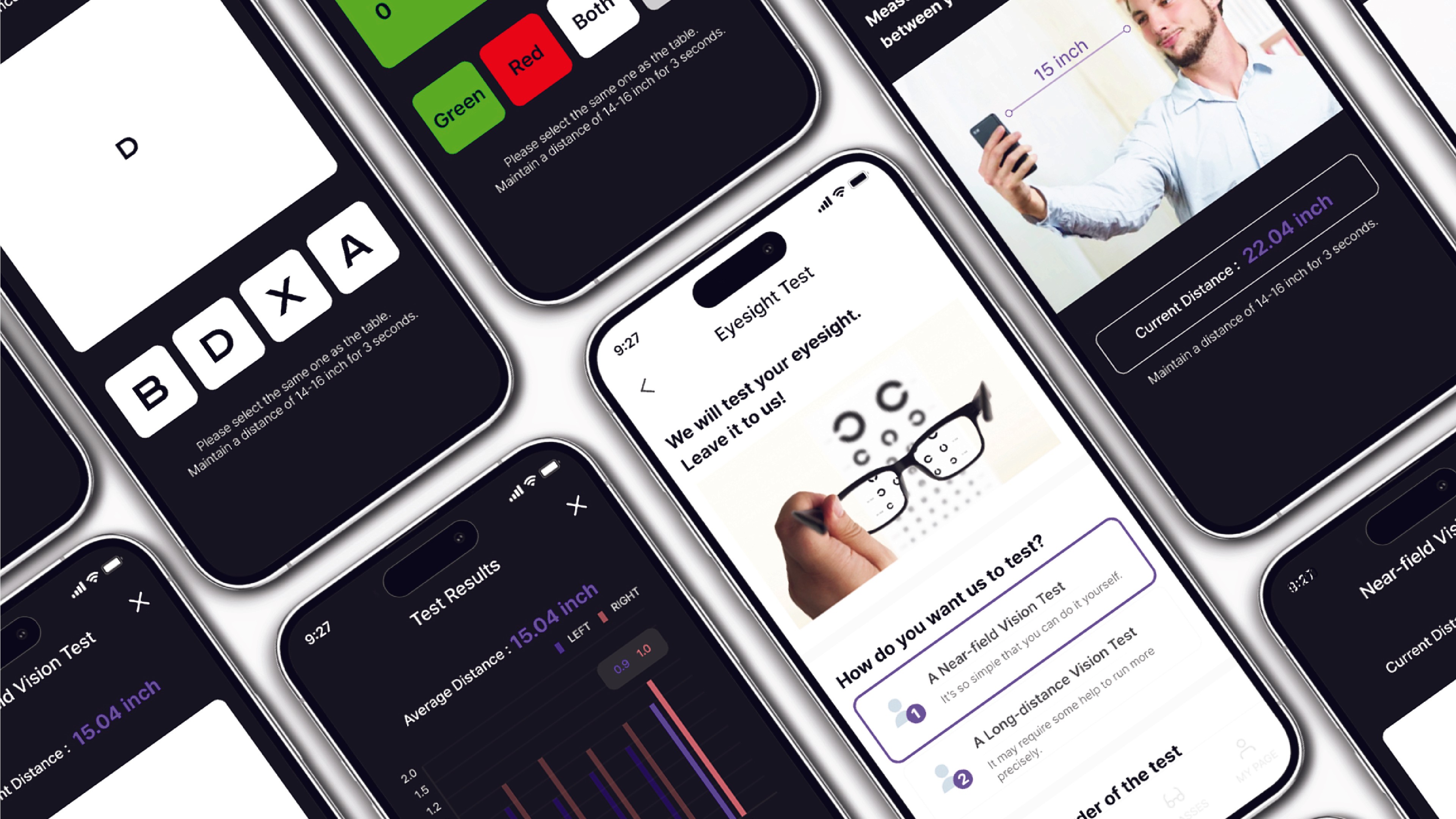
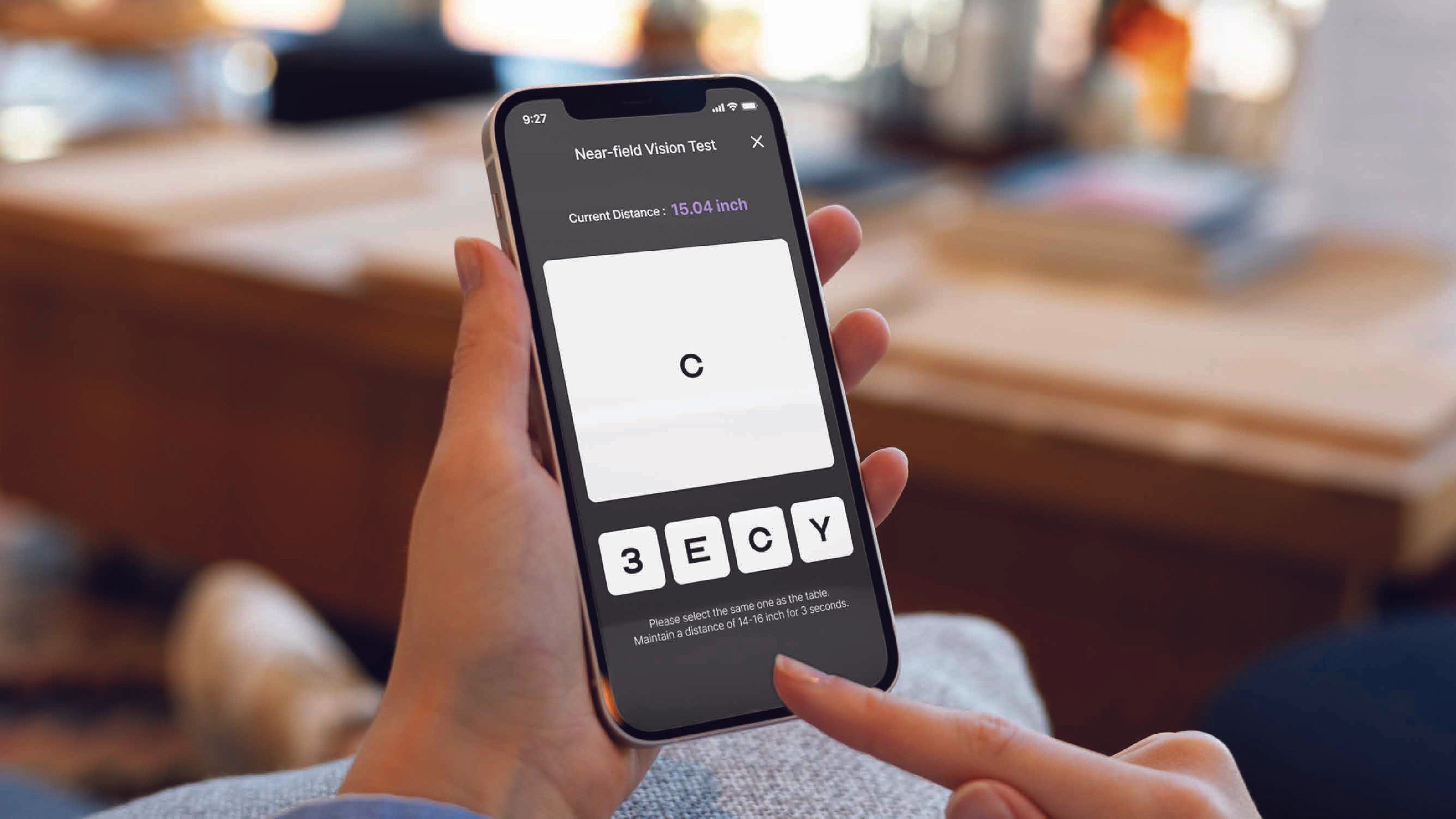
To address these issues, we developed an app called OPC, which enables vision testing without visiting an eye clinic. A mobile vision test algorithm was designed to allow users to check their eyesight remotely. Considering that even in remote areas a small number of smartphones are available, the app-based service was chosen. Alternatively, with just a few smartphones held by occasionally visiting volunteer teams, it becomes possible to quickly identify vision problems for a large number of people.

Affordable Eyeglass Production and Distribution

The OPC app also includes a feature to order eyeglasses based on test results. To tackle the cost issue of eyeglass production, we propose providing inexpensive corrective glasses by recycling discarded 3D glasses. Furthermore, by leveraging local volunteer organizations and church networks for delivery, we established a practical distribution model that ensures eyeglasses reach users even in areas with limited logistics infrastructure.
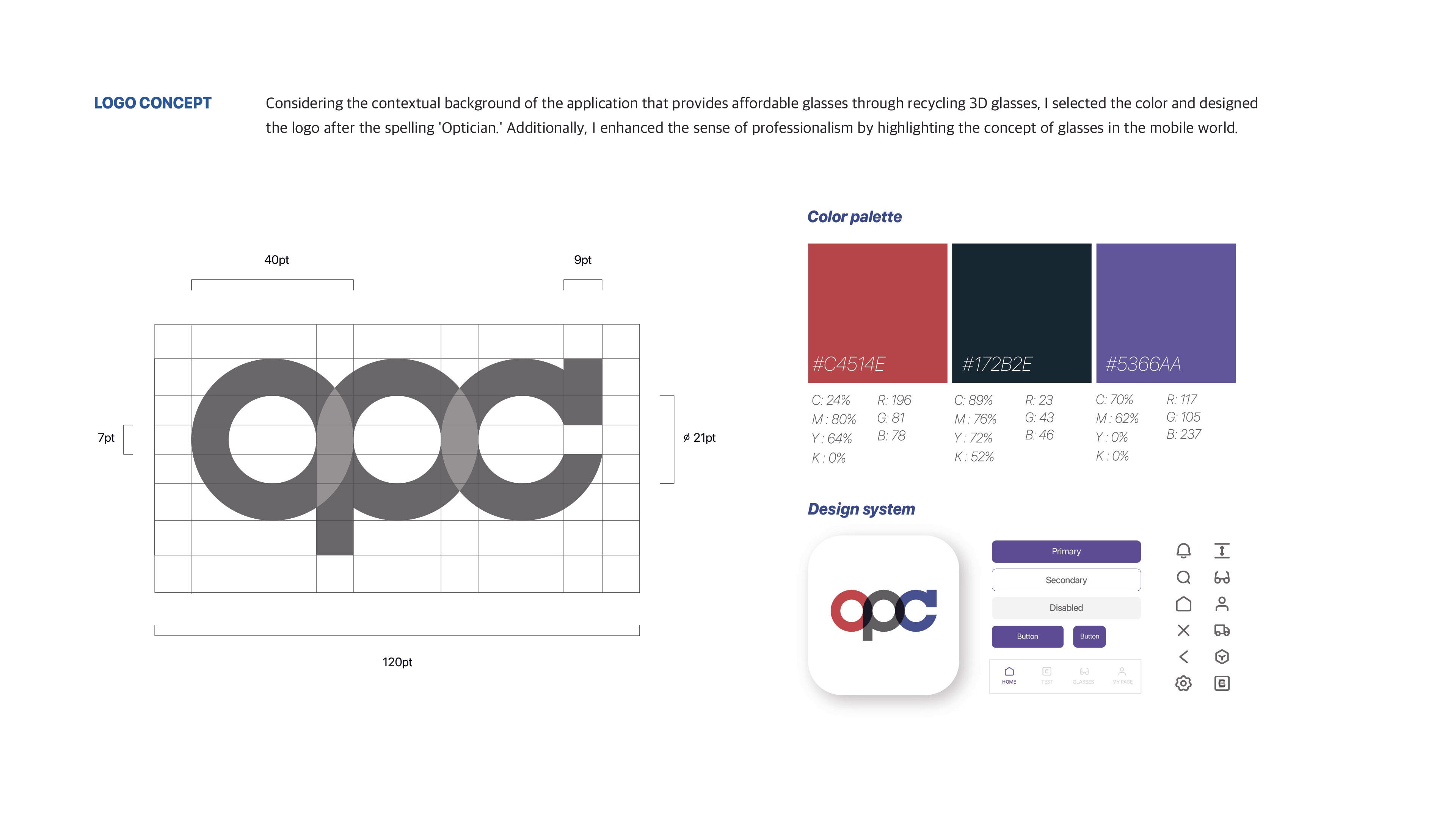
BRADNING

Considering the contextual background of an application that provides affordable glasses by recycling 3D glasses, I selected the color scheme and designed the logo using the spelling of “Optician” as a motif.
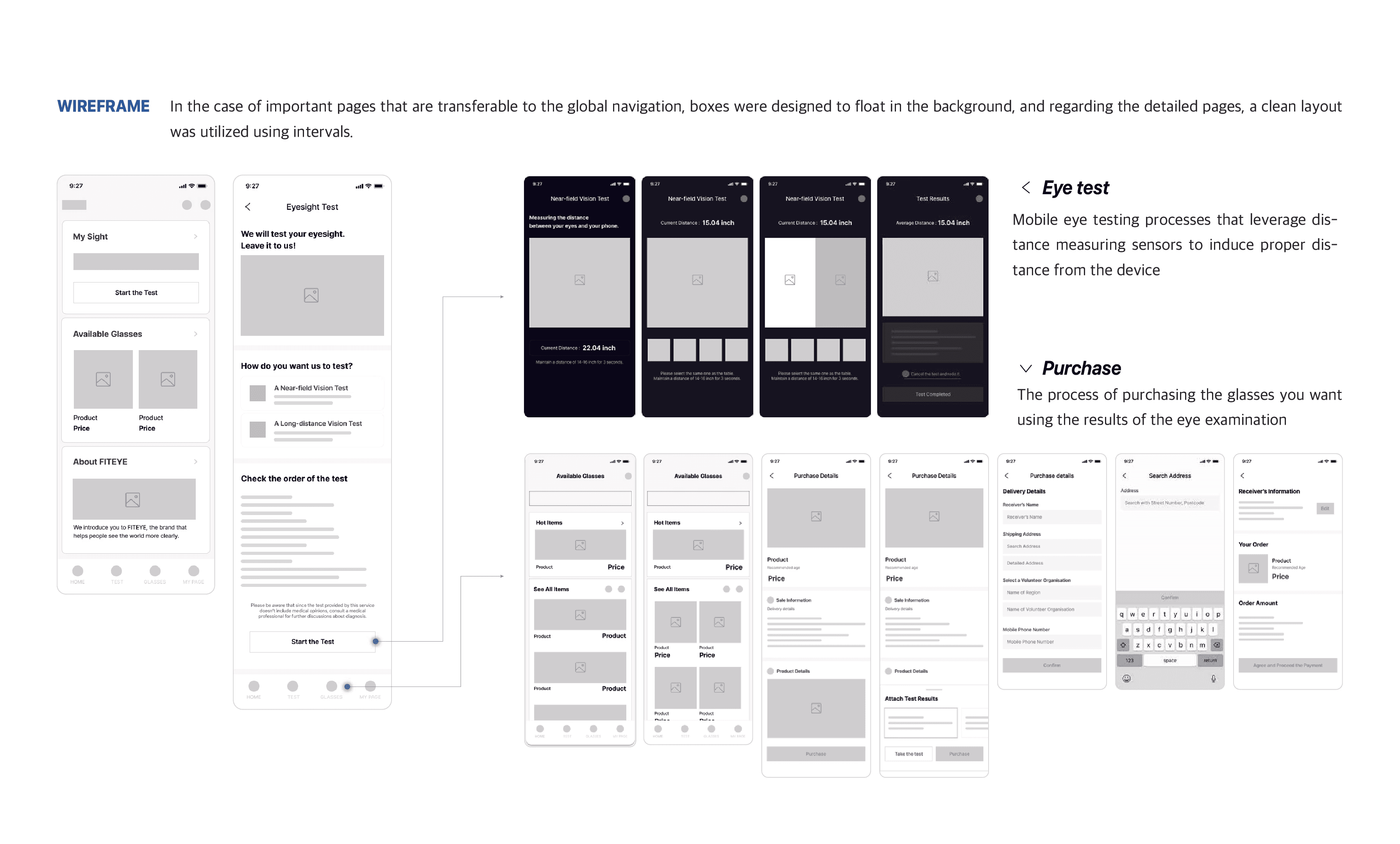
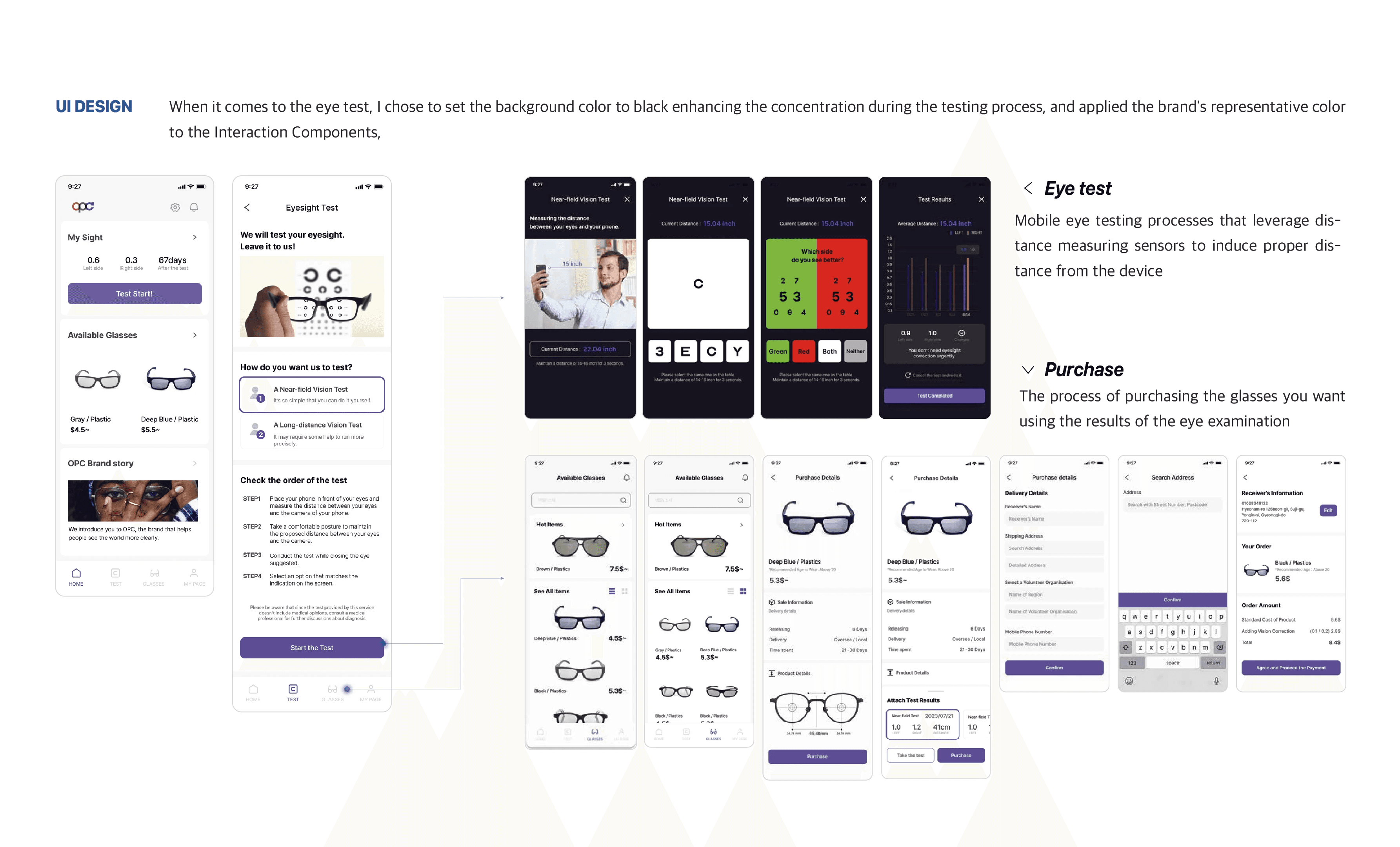
WIREFRAME / UI DESIGN

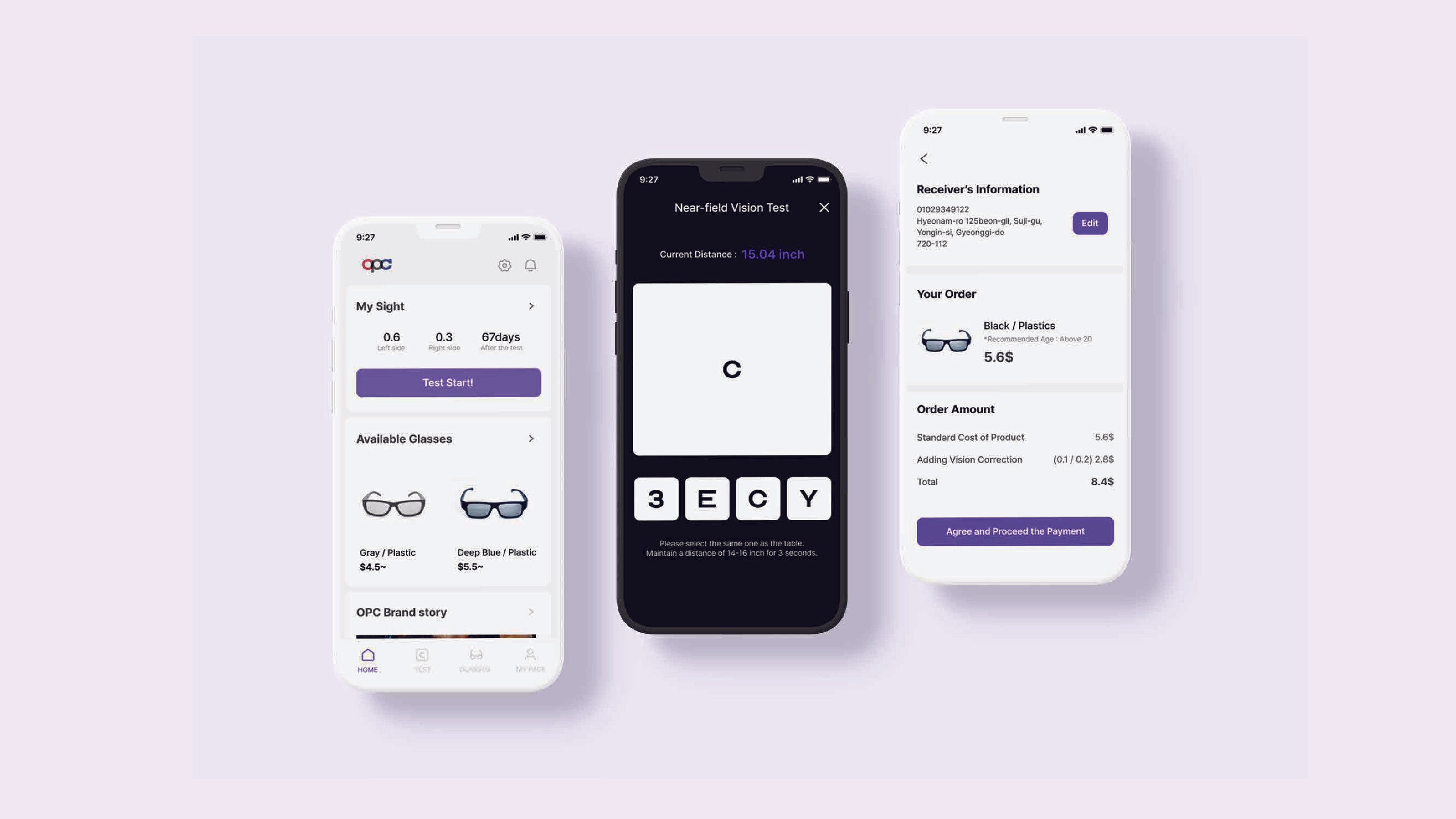
The OPC app is designed to make eye testing and access to glasses possible in environments with limited medical infrastructure. The interface prioritizes clarity, distance awareness, and step-by-step guidance to ensure usability across different contexts and user capabilities.

Mobile Eye Test

Provides an accessible mobile vision test using alphabets, numbers, and images.

Distance-Aware Interface

Uses the camera sensor to detect the distance between the user and the device, allowing the test to proceed only when the appropriate distance is maintained.

Result Summary & Glasses Order


Summarizes vision test results in an easy-to-understand format and enables users to order personalized glasses based on the results.

Volunteer-Based Distribution


Leverages local volunteer organizations to request glasses delivery and track schedules and progress.

THANK YOU

If you are interested detailed process of this research,